






Absolute pressure transmitter - FKA
Ref: FKA
Retail price
depending on configuration
Discounts available on request
Request a quote
7 results displayed
Retail price
depending on configuration
Discounts available on request
Request a quote
Retail price
depending on configuration
Discounts available on request
Request a quote
Retail price
depending on configuration
Discounts available on request
Request a quote
Retail price
depending on configuration
Discounts available on request
Request a quote


Retail price
depending on configuration
Discounts available on request
Request a quote
Made in France

Local service near you

Customer support every step of the way

Seamless technical communication
Technologies
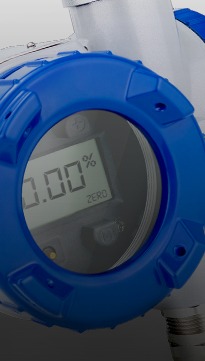
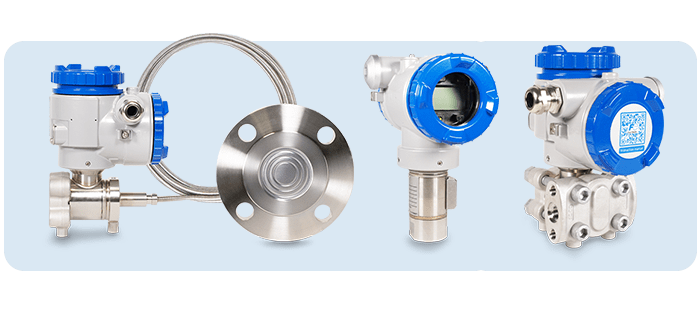
The pressure transmitter industrial ATEX SIL 2 SIL 3 for liquid, gas and steam. Continuously measures pressure, flow, level and density. Available in ATEX.

Fuji Electric improves its pressure transmitters with the latest technological innovations. Discover our comparative table of old and new references for a simplified transition and optimal performance.
Absolute pressure transmitters are used in industrial applications where it is essential to measure absolute pressure without any dependence on variations in atmospheric conditions.
 Brochure
Download the brochure and find out how to improve your measurement accuracy with Fuji Electric absolute pressure transmitters .
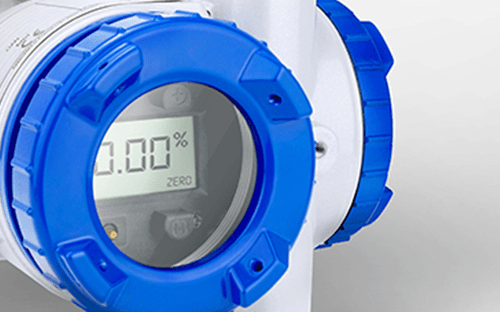
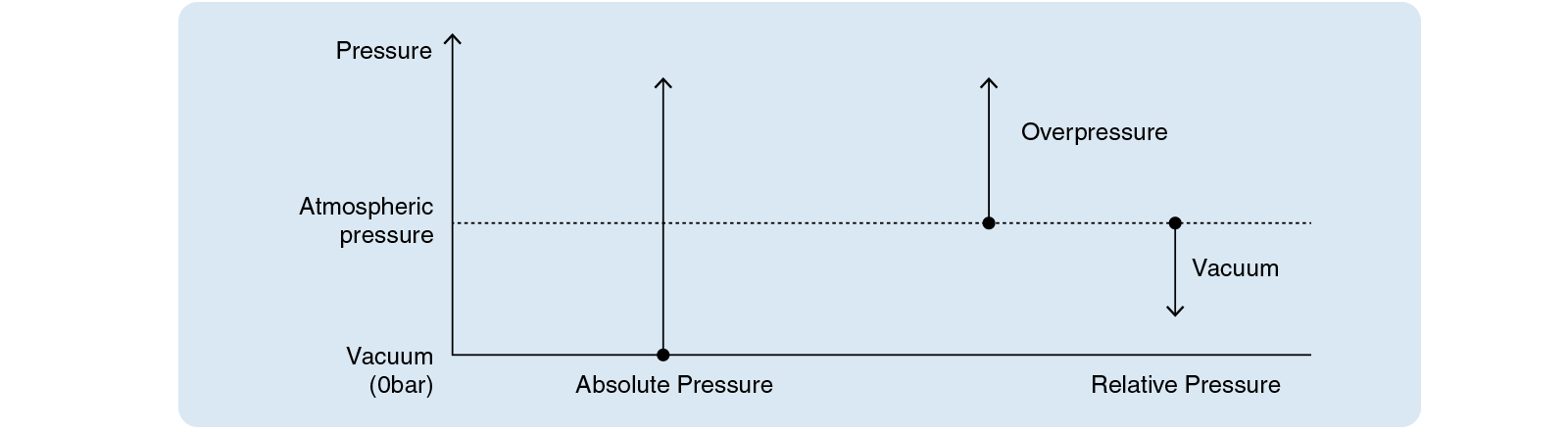
Absolute pressure transmitters measure the process pressure of atmospheric air, other gases, vapors and liquids relative to the reference point of absolute zero, i.e. a perfect vacuum. All pressure transmitter takes measurements relative to a reference pressure. These pressure transmitters operate using the pressure of perfect vacuum (absolute zero) as a reference.
A total vacuum corresponds to an absolute pressure of 0 bar, and the average barometric pressure at sea level is 1013.25 mbar. On the other hand, sensors that quantify the difference between process pressures and atmospheric pressure are called gauge pressure transducers. Differential pressure transmitters, on the other hand, measure two opposing pressures.
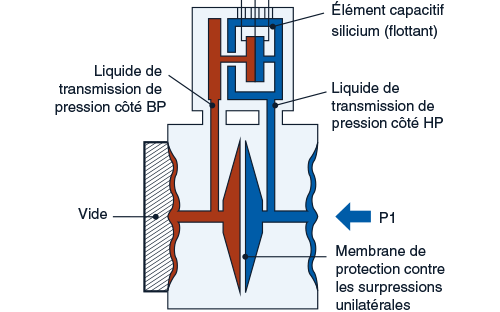
The intelligent FCX industrial pressure transmitter calculates and measures pressure by changing the deformation of a metal diaphragm.
The low-pressure side of the sensor is subjected to an absolute vacuum, then sealed.
As a result, the measured diaphragm deformation is unaffected by external pressure and serves as a zero point for the closed vacuum envelope.
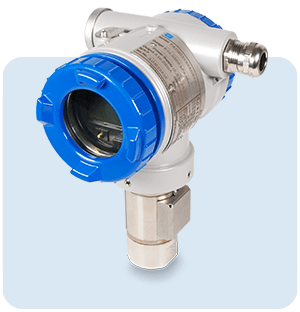
As these pressure transmitters are not affected by variations in atmospheric pressure, their measurement is more accurate than relative pressure transmitters (for normal applications).
They also have high repeatability and long-term stability.

HIGH REPEATABILITY

LONG-TERM STABILITY

precise measurement
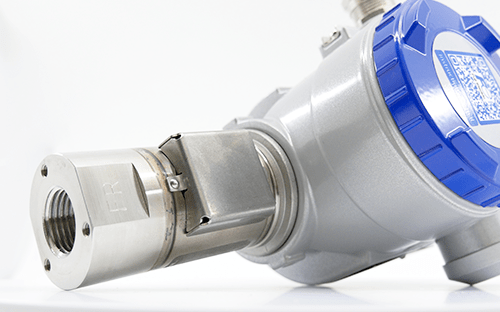
These pressure transmitters are generally more expensive than gauge pressure transmitters.
Another disadvantage of this type of sensor is that its maximum pressure capacity is much lower than that of digital gauge pressure transmitters. They require special tools to be calibrated and can often take longer.Mark up: span
You can ask our instrument calibration service team to help you with this task.
The unit of measurement for absolute pressure is indicated by the letter 'a' or the abbreviation 'abs' (i.e., in bar (abs), H₂O (abs), psia, or kPa (abs)).
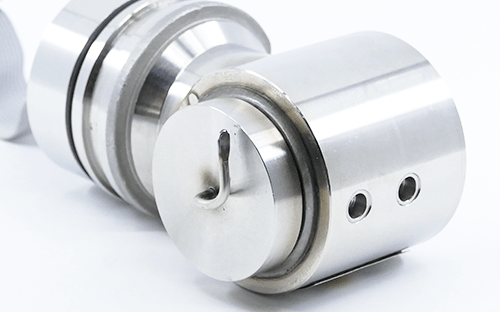
Their range can extend from vacuum to several bars with excellent long-term stability.
The maximum operating pressures they can measure vary.
In many cases, they can measure pressures as high as 30 bar (abs) with excellent accuracy and stability.

In general, they are capable of measuring the pressure of any gas or fluid under pressure.
These pressure transmitters used in the chemical and petrochemical industries, the food industry, the metallurgical industry, the oil and gas industry, and laboratories and research institutes.
For these industrial applications, it is imperative that measurements are accurate and that a fixed vacuum pressure (absolute zero) is used as a reference.
This ensures that your processes are free from fluctuations in atmospheric pressure.
This type of sensor is the only device capable of measuring atmospheric pressure, so it can be used to assess barometric pressure.
Altitude calculation based on atmospheric pressure variation during altitude changes is another example of its use.
Changes in temperature, pressure, and humidity all affect atmospheric pressure.
The atmosphere's pressure can fluctuate by about 30 mbar due to weather changes, and by about 200 mbar if the sensor's elevation changes.
As a result, for the same measured pressure, a digital pressure gauge may provide a measurement error owing to atmospheric pressure variations.
When measuring low pressures, this error could be significant.
In such a case, the use of an absolute pressure sensor is recommended.
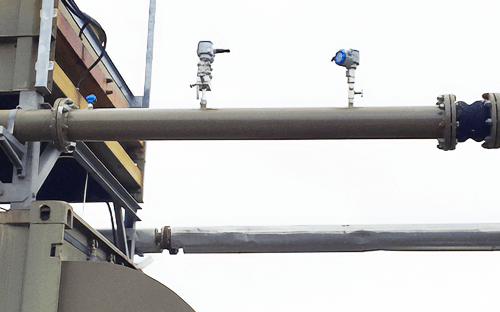
A typical application is measuring the liquid levelthat can be found using a gauge pressure sensor in open (i.e., non-pressurized) tanks.
Raw material liquids are stored, and the tank is freely vented above the liquid, the hydrostatic pressure of the liquid column is used to calculate the volume.
For low height tanks, levels could fluctuate significantly over time owing to ambient air pressure influencing both sensor readings and the vessel's ventilation, resulting in an incorrect liquid level being calculated. It is important to choose for absolute pressure sensors to guarantee accurate measurement.
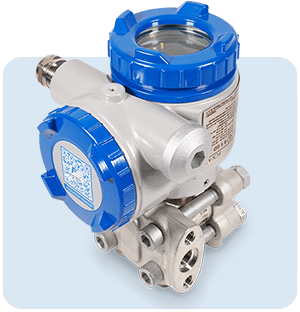
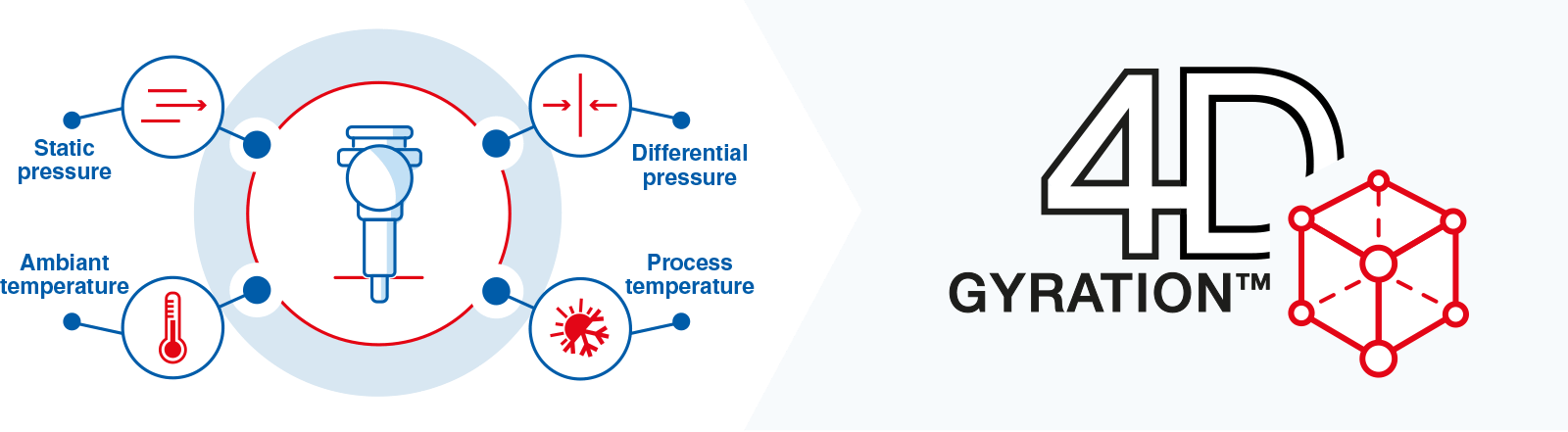
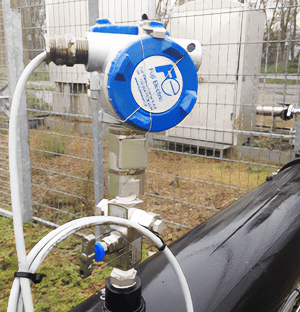
Fuji Electric's high-precision absolute pressure sensors accurately measure absolute pressure and transmit a proportional 4-20 mA electrical output signal. The transmitter uses a unique and highly reliable micro-capacitive silicon sensor, combined with state-of-the-art digital signal processing to deliver exceptional performance in terms of accuracy and stability.
High precision

Long-lasting reliability

Optimized inventory

HART communication

High flexibility
Long-term stability
Our sales team is at your disposal
to help you with your projects.
Have a question or need assistance? Our experts are here to help you with fast, reliable solutions.
Ask for helpOur related articles
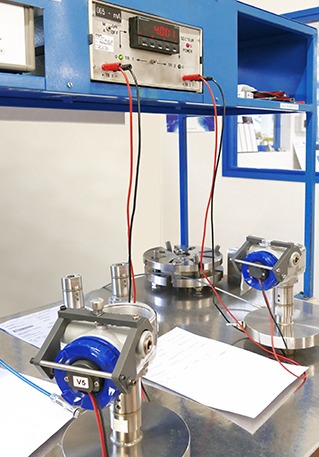
Learn how to calibrate a pressure transmitter absolute with our step-by-step guide. Ensure accurate measurements and extend the life of your instruments.
May 16, 2024

Ensure the reliability of your processes by choosing the right pressure transmitter. Discover the 5 key factors for limiting failures in your industrial processes.
November 18, 2022

Nuclear pressure transmitters are essential to the industry. Discover the key guidelines for making the right choice and ensuring safety.
January 6, 2026

You want to guarantee the safety of your installation in a potentially explosive area. Do you know the 7 steps to choosing the safest pressure transmitter for hazardous areas?
November 12, 2022
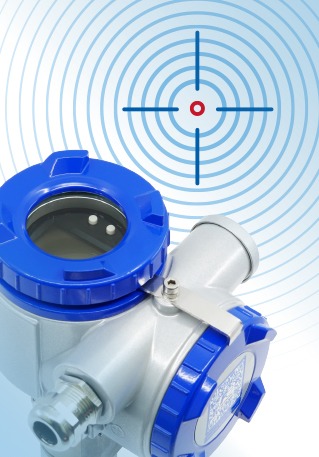
Ensuring the reliability and accuracy of pressure transmitters is crucial in industry. Discover the 7 key factors that influence their accuracy.
December 19, 2022

Discover the 9 crucial questions to ask when choosing the right pressure transmitter : type of measurement, fluid, temperature, scale, connection and environment.
January 5, 2026

Analog pressure transmitters vs. intelligent pressure transmitters: understand their differences, advantages, limitations and use to make the right choice.
January 9, 2026
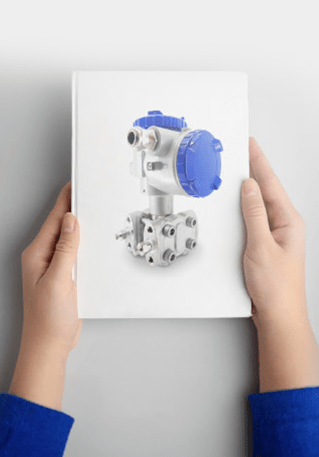
A pressure transmitter is an instrument that detects changes in physical pressure and converts them into an electrical signal.
January 04, 2023
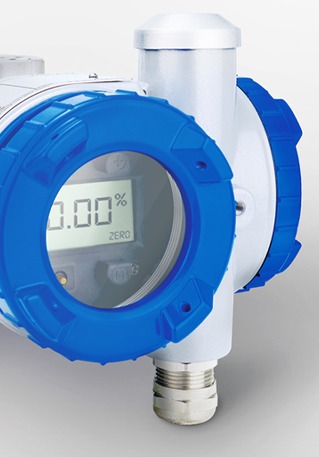
Discover the Fuji Electric FCX A-IV series pressure transmitter : high precision and stability to measure pressure, flow, level and density in your industrial applications.
July 18, 2023
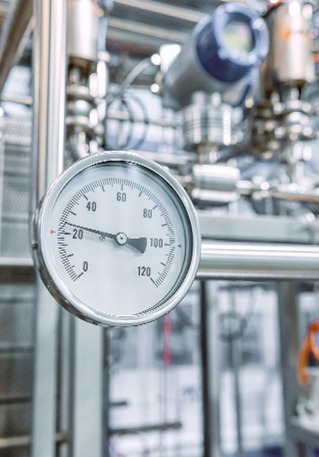
Discover how accurate pressure measurement improves the performance, safety and reliability of industrial processes, despite its complexity.
September 25, 2023
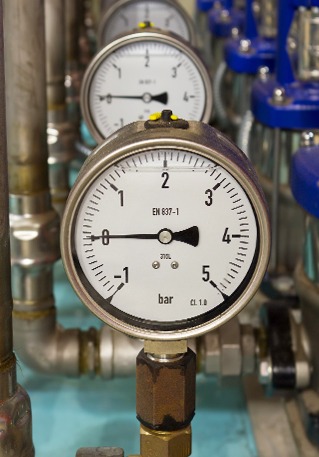
Ensure the accuracy of your measurements with efficient calibration of pressure transmitters. Find out how to adjust your instruments to standard references.
September 25, 2023

Fuji Electric's SIL 3-certified FCX-AIV pressure transmitters combine exceptional quality and reliability. Discover this breakthrough in our measuring instruments.
September 29, 2023
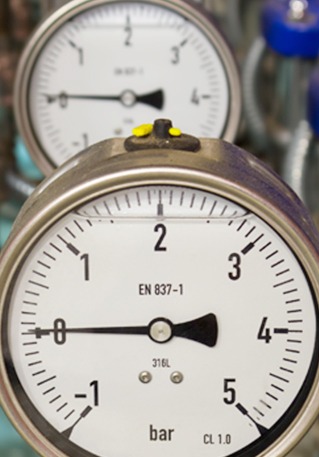
Master pressure units and conversions with our comprehensive guide. Simplify your science and industry calculations with practical tips.
June 30, 2023

The new pressure transmitter catalog is now available! Measure pressure, flow, level and density.
October 23, 2022

Extend the calibration intervals of your pressure transmitters to reduce costs, thanks to our reliable and validated calculation method. Find out how.
July 04, 2025
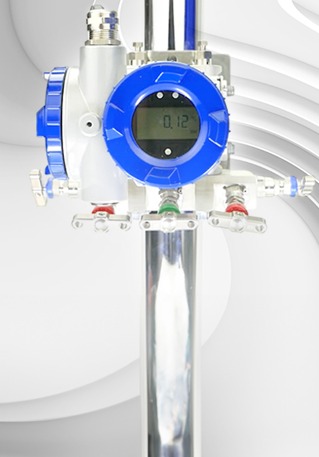
Understanding rangeability and measurement dynamics is crucial to accurate pressure monitoring in fluid and gas systems. Choosing the right sensor optimizes measurement control and accuracy.
July 28, 2023
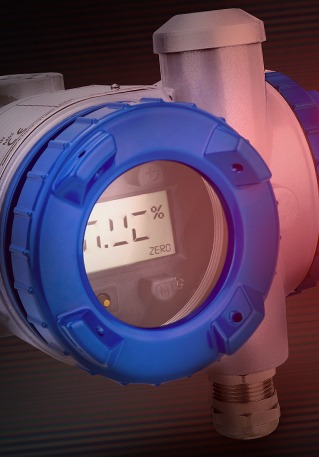
Avoid pressure measurement errors that distort process control. Discover the 5 sources of sensor error and how to prevent them effectively.
September 07, 2022