






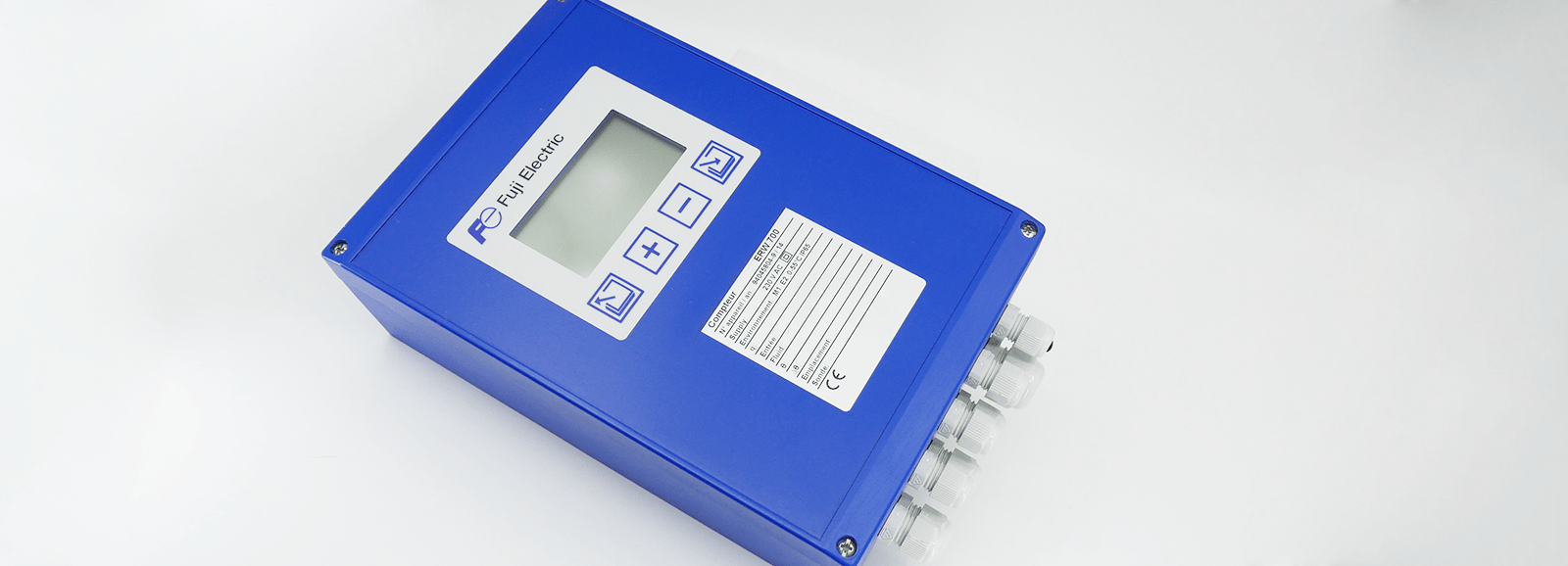
Flow and thermal energy calculator - ERW700
Ref: ERW700
Retail price
depending on configuration
Discounts available on request
Request a quote
6 results displayed
Retail price
depending on configuration
Discounts available on request
Request a quote


Retail price
depending on configuration
Discounts available on request
Request a quote

Made in France

Local service near you

Customer support every step of the way

Seamless technical communication
Technologies
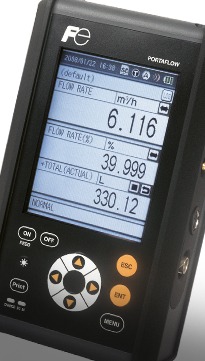
Discover Fuji Electric's new flowmeter references, combining precision, energy efficiency and durability for an optimized transition.
Steam metering involves measuring the amount of steam in industrial processes. This instrument ensures efficiency, energy savings, and cost reduction. Technologies such as orifices with pressure transmitter , vortex flow meters, and ultrasonic flow meters are used to obtain accurate measurements. Steam flow measurement is essential in power plants, refineries, and the manufacturing industry to optimize operations and prevent energy waste.
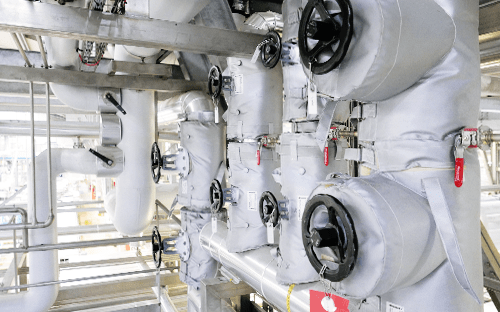
Have you ever wondered how vital accurate steam flow measurement is to many industries?
Accurate steam flow measurement is essential to ensure optimum performance, energy savings and precision in many industries that rely on steam as the main process component.
Steam metering offers a wide range of technologies used in steam flowmeters, with nuances that differentiate each type.

Accurate steam flow measurement is essential for many industries such as power plants, nuclear power stations, chemical plants, refineries and manufacturing units.
As steam plays a key role in energy transfer and process operations, accurate measurements can help achieve better energy savings and optimize system performance.
Inaccurate measurements, on the other hand, can lead to wasted energy, higher costs and inefficient processes.
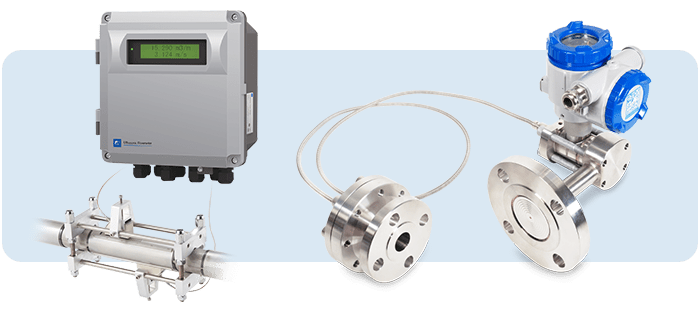
Steam flow meters, or steam meters, come in a variety of technologies, each with its own advantages and specific applications. Differential pressure steam flow meters, vortex flow meters, turbine flow meters and ultrasonic steam flow meters are among the most popular for measuring steam flow.
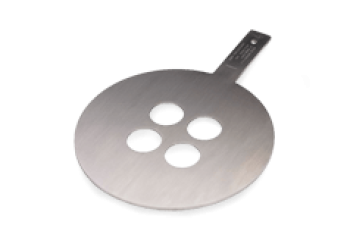
Differential pressure flow meters rely on a pressure difference (often using orifice plates) to determine flow velocity and, subsequently, volumetric flow.
In contrast, vortex flow meters use a body to generate vortices at a frequency corresponding to the flow velocity. This approach enables volumetric flow to be measured.
Similarly, ultrasonic steam flow meters are capable of measuring steam flow. To do this, they use sound waves to determine the time difference between the ultra-high frequency signals emitted and received. To enhance their efficiency, these flowmeters generally incorporate sensors to compensate for temperature and pressure variations.
Turbine flow meters operate on principles similar to those of vortex flowmeters. However, they use mechanical turbines instead of non-profiled bodies.

Several factors influence the choice of steam meter.
Process conditions such as pressure and temperature, steam state (saturated or superheated steam or condensate), straight lengths and installation costs are just some of the factors to be taken into account.
In addition, the required accuracy, the presence of moving parts, and the need for pulse lines or additional components can all play a role in selecting the right steam meter for process applications.
Mass flow and volume flow are two essential parameters in steam metering.
Mass flow refers to the mass of steam passing through a system per unit time, and is essential for processes where the quantity of material (in this case, steam) is important.
Volumetric flow, on the other hand, refers to the volume of steam passing through a system in a given time. While volumetric flow rate is directly measured by many meters, calculating mass flow rate often requires additional measurements such as temperature and pressure, as well as a flow calculator, due to variations in steam density under different conditions.

Differential pressure flow meters are a mainstay of steam flow measurement. By creating a pressure difference using a primary element such as an orifice plate, venturi tube or nozzle, a V-Cone flow meter, Pitot tube and differential pressure transmitter , this class of steam meter determines the flow velocity and then calculates the flow velocity. The linear relationship between pressure difference and flow rate makes these devices reliable and widely used. However, they require impulse lines and may present a certain loss of energy due to the presence of the orifice plate.
The simplicity of their design, combined with the absence of moving parts, makes them a reliable choice for many applications, guaranteeing longevity and consistent performance over time.
Vortex flow meters operate on the principle of vortices created by a non-streamlined bodyplaced in the flow stream, generating alternating vortices downstream.The frequency of these vortices is directly proportional to the flow velocity of the steam.
Vortex flow meters are therefore effective at measuring flow velocity with good accuracy. One of the distinctive features of vortex flow meters is their ability to handle a wide range of flow rates, from low to high, without compromising measurement accuracy.

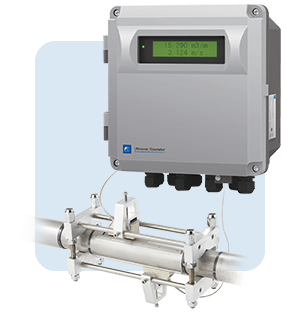
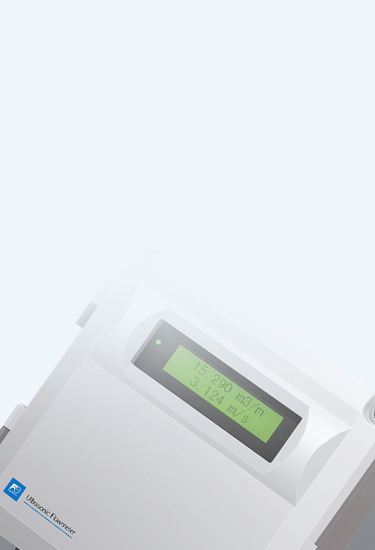
Ultrasonic flow meters for steam use sound waves to measure the velocity of saturated steam flows in a pipe, thus determining the volumetric flow rate.
Thanks to their innovative technology, these steam meters offer several advantages over traditional measurement methods.
Firstly, they are non-invasive, which means they can be attached to the outside of pipes without intrusive installations or process interruptions.
Secondly, because they have no moving parts, these steam meters require little maintenance and wear less over time. What's more, their ability to measure saturated steam conditions and their high accuracy under various flow conditions make them versatile for a wide range of applications. The absence of obstructions in steam lines ensures minimal pressure drop, which helps to save energy in many industries.

In the world of steam flow measurement, there are many subtleties: from the different measurement techniques to the nuanced decisions underlying the choice of a specific steam meter, it's vital to have a fundamental understanding of this critical field.
Keep in mind that accurate steam flow measurement is about more than just numbers; it’s about improving efficiency, saving energy, optimizing performance, and ultimately reducing costs across countless industries.

Different applications may require different types of flowmeter. However, differential pressure flowmeters and vortex flowmeters are among the most commonly used for steam applications and other fluids such as liquids and gases. That said, theemergence of ultrasonic steam flowmeters and the advantages they offer make them an essential choice for many modern applications, bridging the gap between tradition and innovation.
Absolutely! Clamp-on ultrasonic flowmeters are a revolutionary innovation in steam flow measurement. They can be used in steam applications, offering an efficient, non-intrusive measurement method. Fuji Electric steam flowmeters are suitable for measuring saturated steam, including volumetric flow and mass flow at temperatures up to 180°C. By harnessing the power of ultrasonic waves and advanced sensor technology, these steam meters provide accurate measurements without the need to penetrate or modify the piping system. This not only simplifies the installation process, but also minimizes potential maintenance problems, thereby reducing the total cost of ownership. The innovation behind this technology is truly remarkable, making it an increasingly popular choice for industries seeking precision combined with ease of use.
Steam flow can be calculated from the measured flow velocity and pipe cross-section. Additional sensors, such as a temperature probe and pressure transmitter , as well as a corrected flow calculator, may be required to calculate mass flow.
Steam flow rates may vary according to system and application. It's best to refer to specific system data or measuring devices for accurate values. Using a steam flow meter is the most reliable method of accurately determining steam flow. The steam meter accurately measures speed, pressure and temperature to calculate steam flow.
Our sales team is at your disposal
to help you with your projects.
Have a question or need assistance? Our experts are here to help you with fast, reliable solutions.
Ask for helpOur related articles
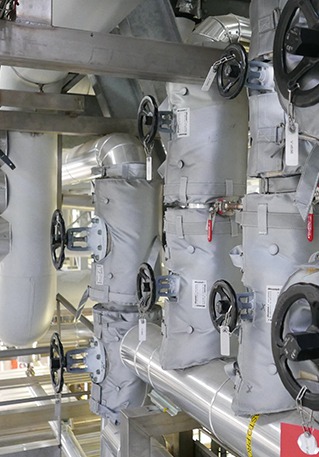
Discover why measuring steam flow has become essential for reducing energy costs and improving industrial process performance.
January 28, 2026

Discover 10 concrete ways to sustainably reduce your company's energy consumption and improve the performance of your facilities.
September 08, 2025

Reduce your costs and impact through industrial energy efficiency: discover Fuji Electric's key measurement, auditing and control solutions.
June 13, 2025

Control your energy costs with Fuji Electric France: measurement, control and regulation solutions to improve your competitiveness and accurate billing.
October 26, 2022

Audit, measure and analyze utility consumption to optimize costs quickly and efficiently, while boosting your competitiveness.
June 24, 2025