




A gas laseranalyser r is a measuring instrument used to detect and measure the concentration of gases in a sample through laser absorption. Used in various sectors, such as the chemical industry, thermal power generation, and waste incineration, it offers high accuracy, fast analysis, and the ability to identify the composition of gases.
 Brochure
Download the brochure to find out more about precise, robust multi-gas analysis solutions for all your industrial applications.
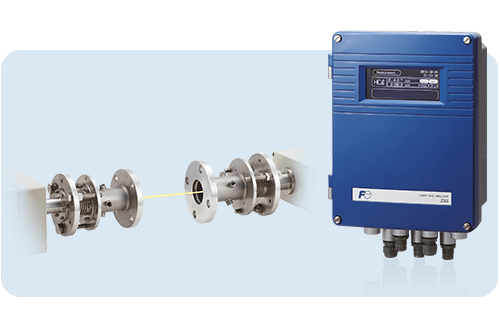
In-situ laser method for rapid measurement. Long-term stability and low maintenance.
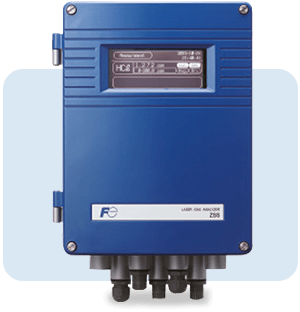
The ZSS laser gasanalyser r is designed for waste incinerators, district heating systems, industrial boilers, and chemical plants.
NH3 - HCI - CO - O2 - CO2 - CH4

high precision

compact

Easy maintenance

Quick response
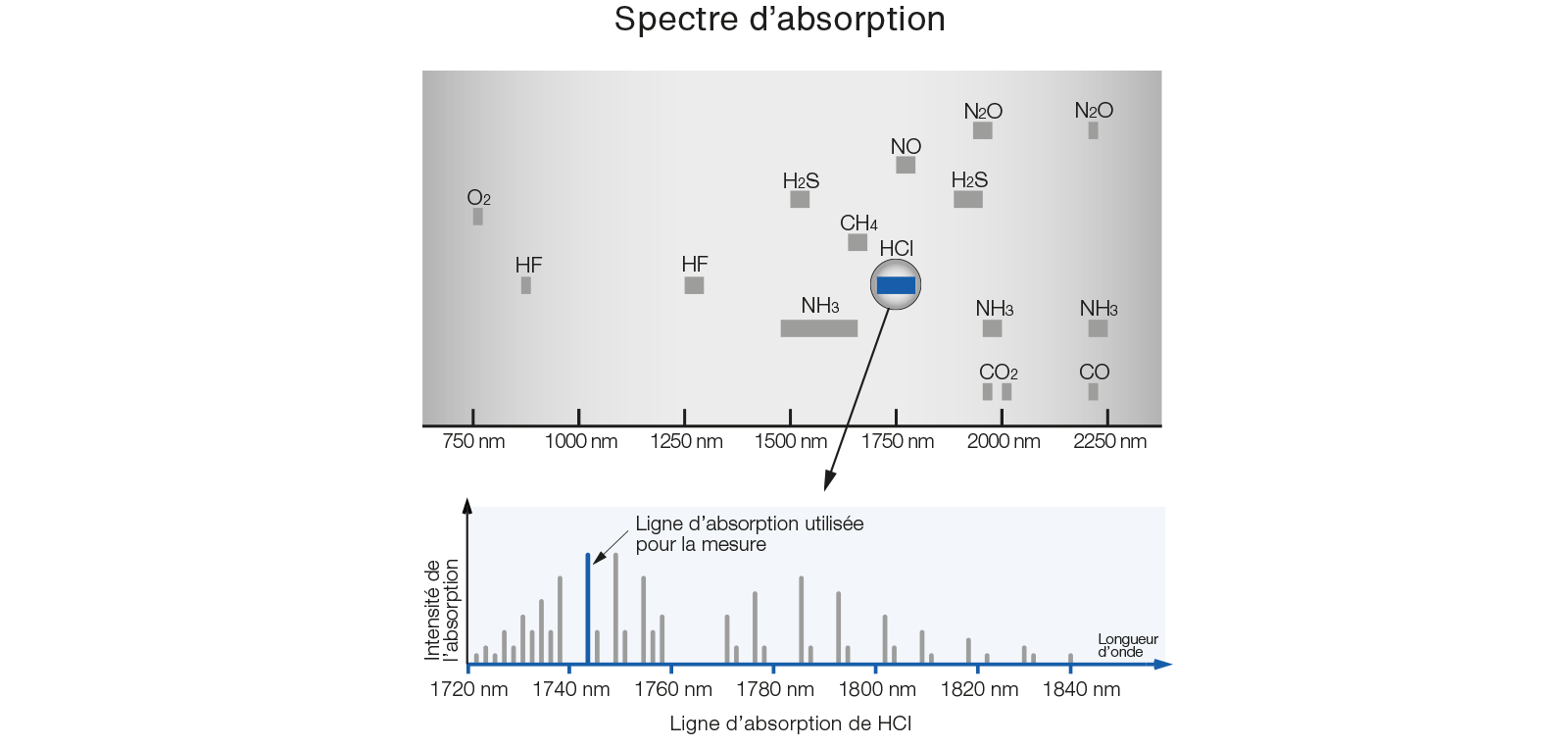
This gasanalyser r uses a semiconductor laser that emits in the near-infrared and measures changes in absorption at a specific wavelength to determine the gas concentration.

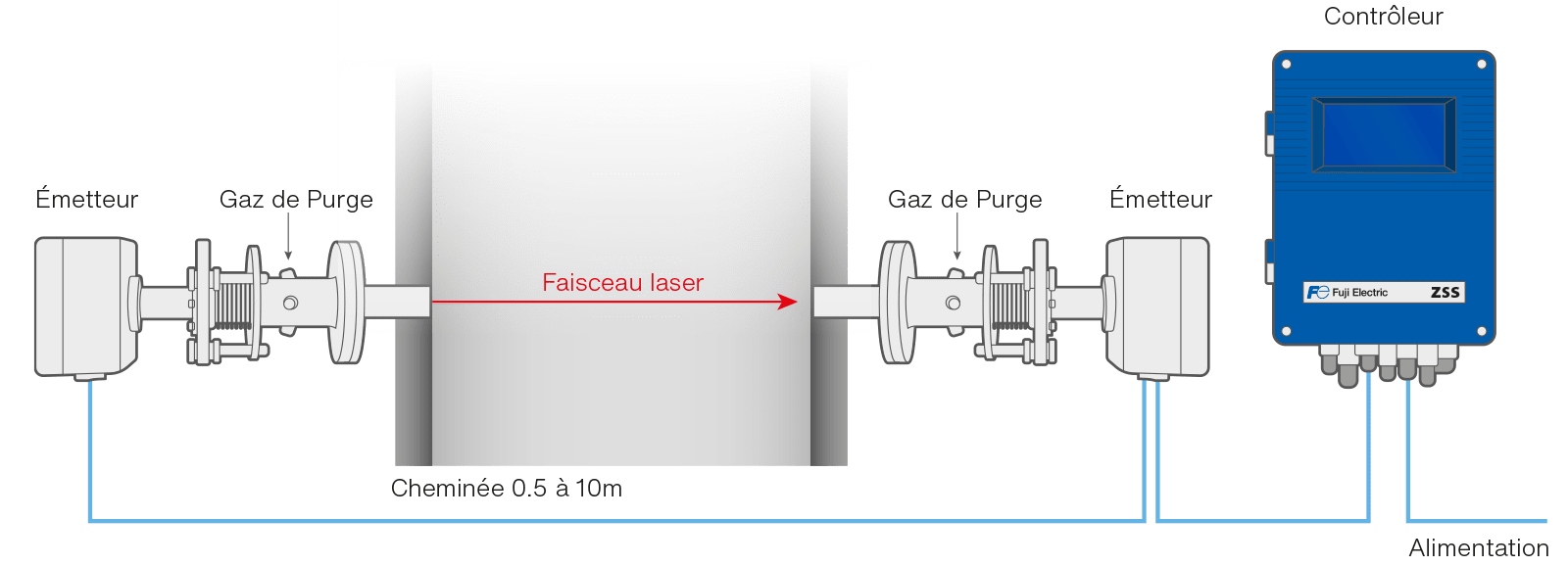
Purge system reduces risk of zero drift due to clogging
Compared with traditional methods (sampling), direct measurement provides a considerably faster response.
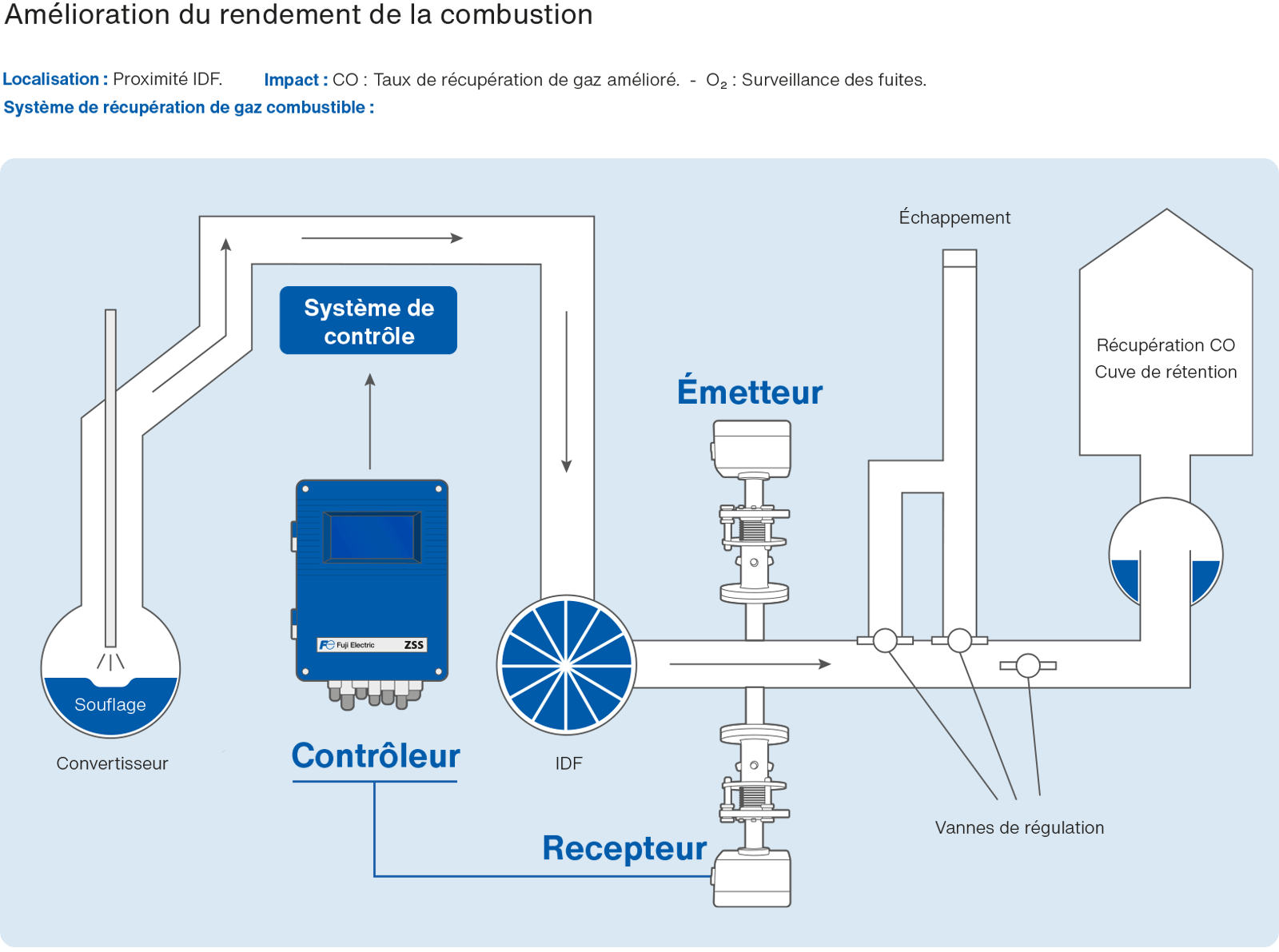
Simultaneous measurement of CO and O₂ gases enables precise control of the air-fuel ratio while reducing installation and maintenance costs.
O2'sanalyser , designed for combustion control, is compatible with instrument air purge.
Operating principle and Measurable Components
Operation is based on a semiconductor laser that guarantees precise, reliable measurement. In-situ technology enables direct measurement of gaseous components, eliminating the need for sampling.
The core of this analyser lies in its use of a laser as a light source, specifically a near-infrared semiconductor laser. This advanced technology enables in-situ measurement of gaseous components such as NH3, HCI, CO, O2, CO2, and CH4. The versatility of these measurements makes it an indispensable tool in a variety of industrial applications.
Advanced technical features
Light Source and Laser Class
The light source—a near-infrared semiconductor laser—ensures high accuracy in measuring gas concentrations. It is important to note that the laser class used is CLASS 1, with exceptions for high-temperature versions and those with air purging of O2- analysers , which are classified as CLASS 3B, ensuring safe operation.
Power and Consumption
Theanalyser is compatible with supply voltages ranging from 100 to 240 VAC at 50/60 Hz, making it easy to integrate into a variety of industrial environments. Power consumption is limited to 80 VA, highlighting the energy efficiency of this device.
Calibration interval
Maintaining measurement accuracy is essential, and the laseranalyser recommends calibration every 6 months. This interval may vary depending on the environmental conditions under which the device is used.
Display and Information
The backlit LCD screen offers a user-friendly interface, displaying crucial information such as measured component, concentration (instantaneous value, average, corrected instantaneous O2 value, corrected average O2 value), and alerts.
Weight, dimensions and protection class
The design of theanalyser takes ease of installation into account. The receiver and transmitter each weigh approximately 10 kg, while the controller weighs approximately 8 kg. The varying dimensions (receiver, transmitter, and controller) allow for flexibility in placement. Additionally, the IP65 rating underscores the device’s ruggedness, protecting it from the elements.
Exceptional Performance
The performance of this in-situ laser- analyser r is highlighted by its fast response, high repeatability, and ability to maintain accuracy over the long term. With features such as minimal zero drift and resistance to interference, it is an ideal choice for a wide range of industrial applications.
Rapid response for real-time monitoring
The laser-analyser ’s response time is impressive, reaching 4 seconds or less—and even faster, at ≤ 2 seconds, for the high-speed version. This ability to provide near-instantaneous results enables real-time monitoring, which is essential in dynamic industrial environments.
Repeatability and linearity
Theanalyser maintains exceptional repeatability, limited to ≤ ±1.0% of the measurement range, depending on the components and measurement scales. This characteristic is essential for ensuring consistent results. In the case of combined CO + O2 measurement, accuracy is maintained at ±2% of full scale.
Linearity, another crucial quality, also remains outstanding, with a tolerance ≤ ±1.0% of full scale, depending on components and scales. For CO + O2 measurement, linearity remains excellent, with an accuracy of ±3% of full scale.
Zero drift and the effect of interference
The laseranalyser r offers exceptional stability, with zero drift limited to ≤ ±2.0% of full scale over a 6-month period, depending on the component and the measurement range. The CO + O2 measurement maintains even more impressive accuracy, with drift limited to ±4% of full scale over the same period.
The effect of interference is minimized, with a maximum variation of ≤ ±2.0% of full scale. This ability to resist interference contributes to the reliability of results in complex environments.
Detection limit
In-situ laseranalyser also excels in terms of sensitivity, with a remarkable detection limit of no more than 1% of the minimum scale. This ability to detect very low concentrations is essential for accurate monitoring, even under conditions where gas levels are minimal.
Input/output signals
Analog outputs for maximum flexibility
Theanalyser features analog outputs with a signal range of 4–20 mA or 1–5 VDC, and the option to select between 2 or 4 points. These outputs allow for the transmission of both the measured value and the corrected oxygen (O₂) value. In addition, flexibility is maximized by the ability to switch between the instantaneous value and the average value, providing greater adaptability to specific monitoring needs.
Analog inputs for precise correction and compensation
The analog inputs on the laseranalyser r are essential for precise correction and compensation of measurements. Key parameters such as sample gas pressure, temperature, flow rate, O2 content, water concentration, and air purge pressure are integrated via two 4–20 mA signals. These inputs play a crucial role in adjusting measurements, ensuring maximum accuracy even under varying conditions.
Digital outputs for sophisticated control
The digital outputs enhance the control capabilities of theanalyser with a 6-point relay contact output. These outputs enable the management of low light transmission, high- and low-limit alarms,analyser faults, ongoing calibration processes or measurement hold, power outages, and installation faults. This versatility provides sophisticated control for proactive monitoring.
Digital inputs for remote control (Optional)
As an option, theanalyser gas analyzer can be equipped with digital inputs via a 3-point optocoupler. These inputs enable advanced features such as resetting the average value, switching between the instantaneous value and the moving average, and holding the measurement remotely. This option adds an extra dimension to the device’s remote management capabilities.
Installation environment
Extended ambient temperature for maximum adaptability
Theanalyser is designed to operate within a wide range of ambient temperatures, ensuring its reliability in a variety of industrial environments. The receiver and transmitter can operate in temperatures ranging from -20 to +55 °C, while the controller is suitable for temperatures ranging from -5 to +45 °C. This wide range allows for use in applications where temperature fluctuations are unavoidable.
Humidity Control to Preserve Measurement Accuracy
Humidity management is crucial to maintaining measurement accuracy. The device is designed to operate in conditions where ambient humidity does not exceed 90% RH (relative humidity). This ensures that measurements remain stable and reliable even in potentially humid industrial environments.
Optical path length for tailored performance
The optical path length—a critical parameter for CO + O₂ measurements—can be adjusted to meet the specific needs of the application. With a range of 0.5 to 10 m, theanalyser offers optimal flexibility to accommodate various configurations and installation requirements.
Standard flanges for easy integration
Integrating theanalyser into existing systems is simplified thanks to standard flanges. Options include JIS 10K, 50A, 100A, DN50/PN10, or ANSI #150 2B, providing compatibility with various standards and industrial installation configurations.
Purge gas for a clean environment
An effective purge system is essential for maintaining optical clarity and measurement accuracy. The provided table lists the recommended purge gases, with a minimum pressure of 0.3 MPa and a flow rate of at least 20 L/min, ensuring a clean and clear environment for theanalyser operations.
Gas conditions for optimum performance
Gas conditions are critical to the performance of theanalyser. Adherence to the datasheet —such as humidity limited to ≤50% by volume (no condensation), pressure with a tolerance of ±10 kPa, and dust levels in accordance with the standard or high-dust versions—ensures optimal performance of the device.
gas analyser Laser Single Beam 1 Component
HCl
NH3
CO (High Scale)
CO (Low Scale)
CO2
CH4
O2
O2 (High Temperature)
O2 (Instrument air purge)
2-component single-beam laser gas analyser
CO + CO2
2-component dual-beam laser gas analyser
Ppm CO + O2 (Instrument Air Purge)
Ppm CO + O2 (High Temperature)
%vol CO + O2
*The measurement scales described above correspond to an optical path of 1 m.