




Vessels used for maritime transport are equipped withstate-of-the-art monitoring instruments and advanced technologies, enabling them to make safe deliveries to the four corners of the globe.
pressure transmitters, level sensors, temperature sensors, flow meters, variable-speed drives, monitoring displays, gasanalysers —all of this equipment is essential forthe optimal operation of a ship, whether it is a cargo ship, container ship, tanker, chemical tanker, gas carrier, asphalt carrier, oil tanker, LNG carrier, refrigerated ship, ro-ro ship, bulk carrier, etc.

Fuji Electric's measuring instruments support shipbuilding professionals and shipboard crews in :

Compliance with current standards

Plant safety

Production quality management

Environmental protection
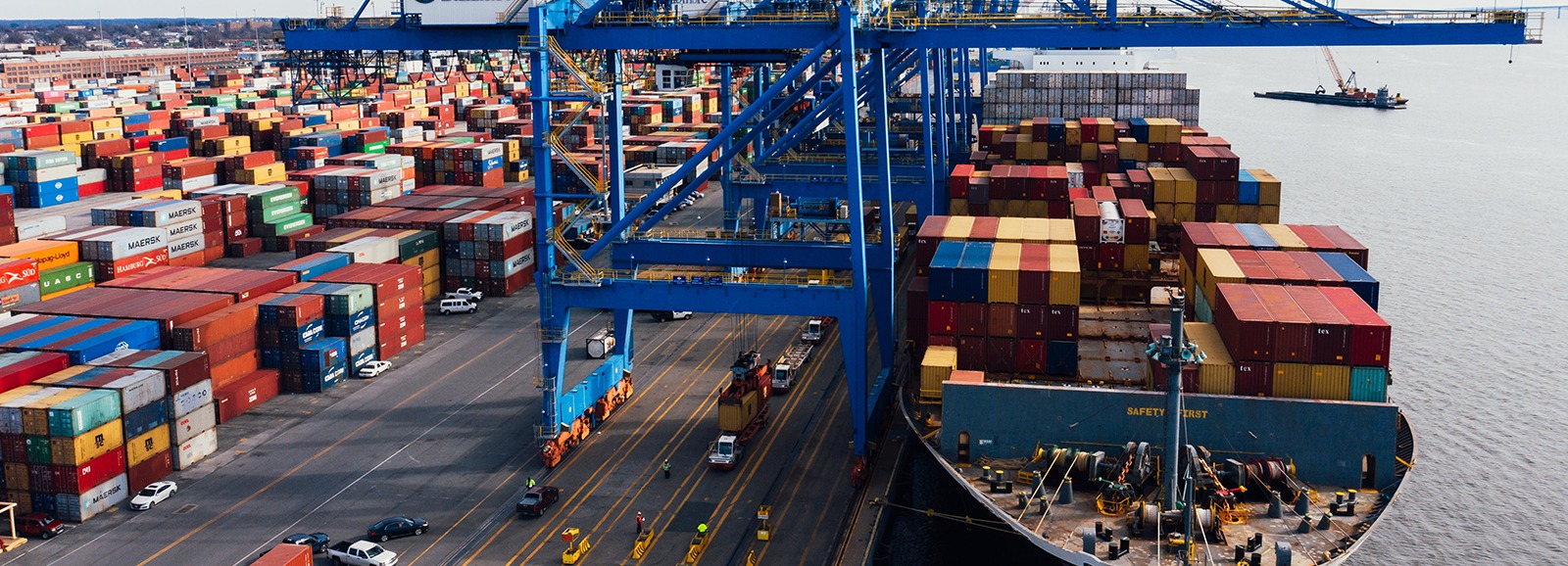
We understand that our measurement and control instruments are essential to shipbuilding and maintenance, which is why we've made sure they're robust, durable and easy to install.
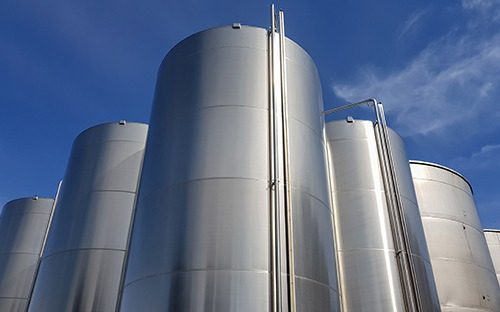
Tankers carry oil, chemicals, gas and other liquid products such as bitumen and oil.
Energy companies specializing in the transport of fossil fuels choose their vessels on the basis of performance, efficiency, storage capacity and on-board technology.


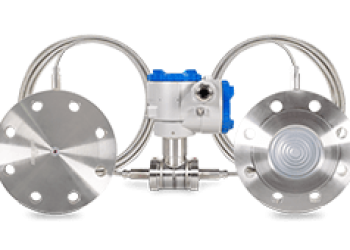


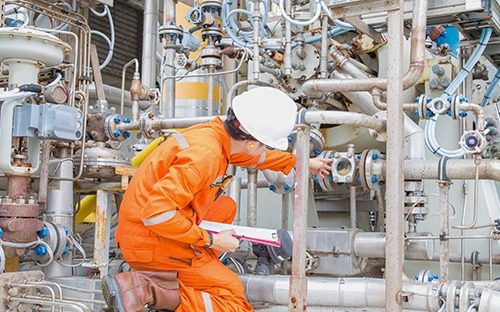
A ship's water tanks are located at the lowest point. A whole system of tanks, circuits and pumps is therefore required to distribute water on board. The same applies to efficient wastewater management.


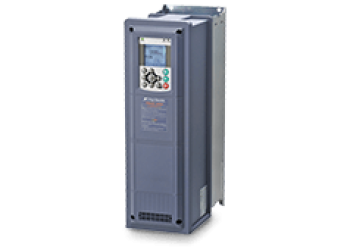
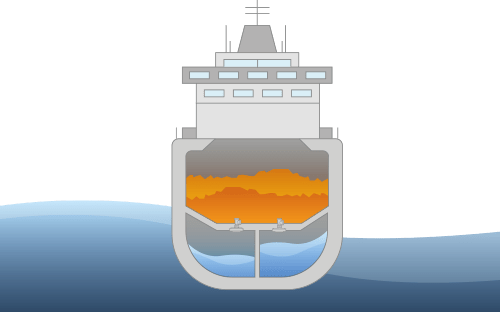
To correct the ship's list or reduce dunnage, the water level in the ballast tank is adjusted. Ballasting and deballasting operations are highly complex, but are essential to improve sailing performance. Deballasting carried out in poor conditions can pose ecological problems.
Compressed air plays a vital role in many shipboard applications, from starting main and auxiliary engines to handling cargo and regulating control systems. High-pressure air, at 30 bar, is used for a variety of purposes, but mainly for starting the main engine. Reduced-pressure air, at 7 or 8 bar, is used to operate machinery on board ships. However, compressed air leaks represent a major challenge in the marine industry, not only in terms of safety, but also performance and energy efficiency.
Rapid detection and repair of leaks using compressed air flowmeters and pressure transmitters for shipbuilding are essential to maintain adequate pressure in compressed air systems. These measuring devices ensure uninterrupted, efficient operation of essential equipment. Uncontrolled leaks can lead to excessive energy consumption, as compressors have to work harder to maintain the required pressure. This translates into higher operating costs and a larger carbon footprint.

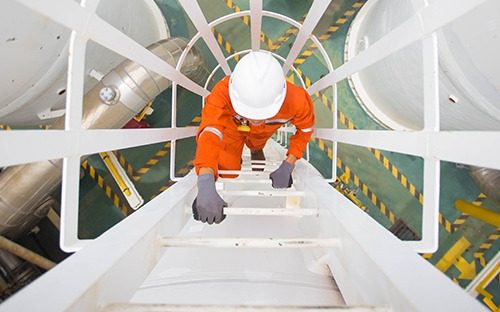
Controlling fuel distribution plays a crucial role in ensuring the constant, optimum performance of marine engines. Precise monitoring of the amount of fuel injected into engines ensures efficient combustion and a significant reduction in fuel consumption. By optimizing fuel consumption, flowmeters help reduce operating costs and the ecological footprint of ships.
Fuel viscosity control is a complementary and essential aspect of the marine industry. Fuel viscosity directly affects combustion efficiency and, consequently, overall engine performance. An accurate viscometer ensures that fuel is maintained at the optimum consistency for efficient combustion, reducing fuel consumption and pollutant emissions. This rigorous control also helps prevent engine problems linked to the use of poor-quality or ill-suited fuels, ensuring greater reliability and longevity of marine engines.
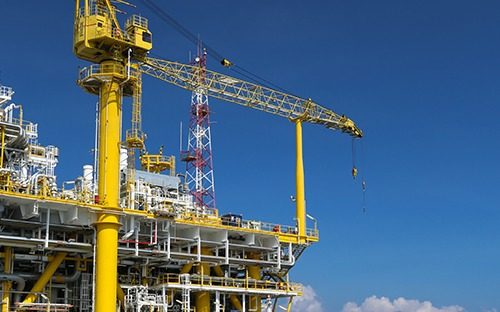
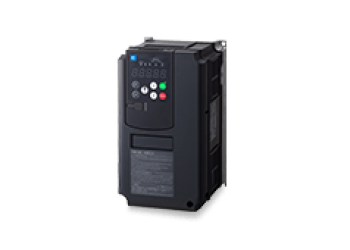
For safe loading and unloading operations, it's important to control and regulate sway or oscillation. Whether for quay cranes, container cranes, harbor cranes or any other marine cranes, these swaying movements can be limited by installing a variable speed drive at the electric motor input. The braking energy generated by the variable speed drive can be entirely fed back to the power supply, thus promoting energy savings.
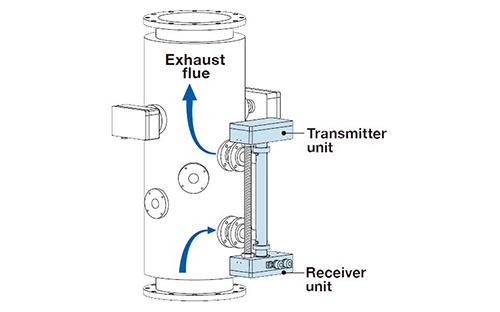
By making it easier to comply with strict emissions regulations,reducing harmful gas emissions, and promoting energy efficiency, Fuji Electric’s gas-analyser laser system makes a significant contribution to environmental protection byaligning maritime operations with sustainable development and environmental conservation goals.
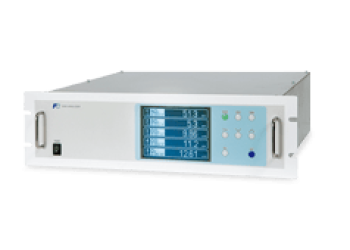
Fuji Electric’s innovativeZQS laser gasanalyser r for marine exhaust gases, designed for exhaust gas scrubbers and exhaust gas cleaning systems (EGCS), represents a significant step forward incompliance with the sulfur emissionsregulations of Annex VI of the MARPOL Convention, in accordance with the guidelines of the International Maritime Organization (IMO). By providing fast, accurate, and real-time analysis of exhaust gases—particularly SO₂ and CO₂—this technology enables ships to continuously monitor emissions with unmatched precision.
The fast response time of the laser gasanalyser r, combined with its ability to determine exhaust gas conditions after the scrubbing process, enables optimized control of the SOx scrubber pump’s operation. This ensurescompliance with sulfur emission limits while improving fuel economy and reducing operating costs. Its compact design—a fraction of the size of conventional analysers —facilitates installation, whether for retrofitting existing ships or for integration into new vessels. Furthermore, the system’s stability, extended maintenance intervals, and resistance to dust buildup ensureconsistent performance and low maintenance requirements.
For additional gas measurement, Fuji Electric’sZPA infrared gasanalyser r is specifically designed for marine applications. Rugged and reliable, it provides accurate measurements of gas concentrations such as NO, SO₂, CO₂, CO, CH₄, and O₂, which are essential for emissions control on board ships. Thanks to its state-of-the-art infrared technology, this device ensures stable performance even under harsh environmental conditions, thereby meeting the strict requirements of the maritime industry.