




The rapid growth of data centers, driven by cloud computing, artificial intelligence (AI), and critical digital services, comes with significant challenges in terms of service continuity, energy consumption, and thermal management. Infrastructure must ensure 24/7 operation while controlling operating costs, the environmental footprint, and the scaling of IT equipment.
In this context, Fuji Electric supports data center operators and engineers with proven industrial solutions that combine critical power supply, measurement instrumentation, monitoring systems, and energy management. These solutions help secure processes, optimize energy use, and ensure the long-term reliability of infrastructure.
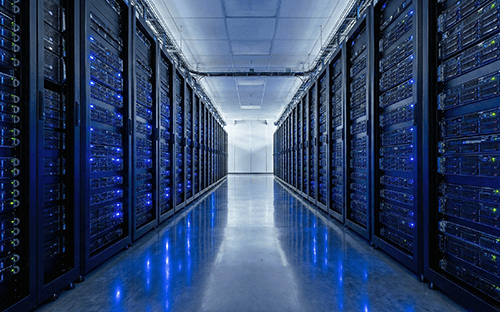
In a data center, even the slightest electrical or thermal failure can result in significant losses. It is therefore essential to rely on robust equipment and reliable measurement systems to manage all facilities.
The breakdown of energy consumption in a data center shows that servers account for about 50% of total consumption, while cooling accounts for about 30%, and lighting and other uses account for about 7%. Energy consumption in data centers is primarily driven by the constant operation of servers, equipment cooling, and security systems .
Fuji Electric solutions enable you to:

Reducing the carbon footprint

Optimization of Critical Resources

Controlled energy efficiency

Measured sustainable performance
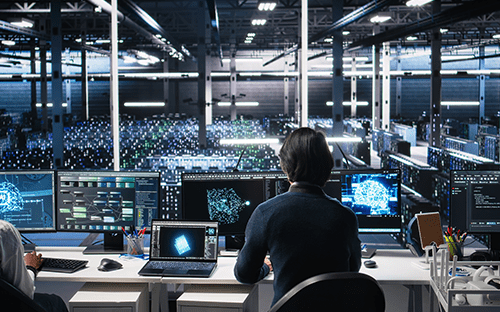
Data centers are at the heart of the global digital ecosystem. They handle the storage, processing, and transmission of massive amounts of data for businesses, institutions, and individuals. As the cornerstones of the digital economy, these facilities provide access to computing resources via the Internet, thereby supporting the development of artificial intelligence, cloud computing, and critical applications.
Data security and service availability are top priorities for data centers, which must ensure seamless operational continuity. However, the energy consumption of these facilities poses a major challenge, both economically and environmentally. Given the exponential growth in data storage and processing needs, it has become essential to optimize the energy management of these infrastructures to limit their impact on resources and the environment, while ensuring the security and reliability of digital services.
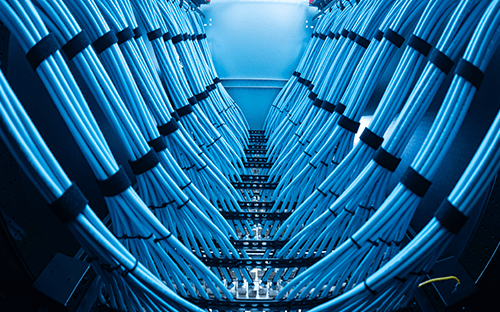
Access to adequate and reliable electricity supplies is a major challenge for data center operators, who must also contend with a growing reliance on electricity. Reducing this reliance—particularly on fossil fuels—is essential to ensuring the performance and sustainability of infrastructure. The United States plays a key role in modernizing electrical grids to support the growing demand from data centers and other critical infrastructure within its borders.
Data centers are a vital component of the digital ecosystem, supporting cloud computing, video streaming, online gaming, and artificial intelligence. Artificial intelligence (AI) is now the driving force behind the growing demand for computing power, which increases data centers’ energy consumption and environmental impact. It is therefore crucial to prioritize sustainability and adopt innovative solutions to optimize energy management.
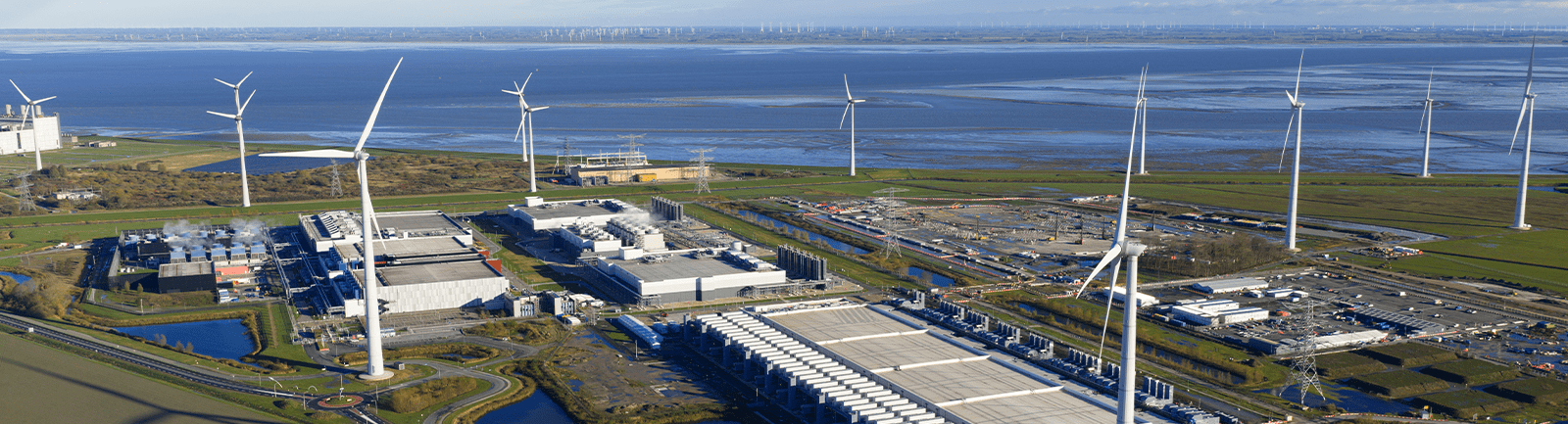
According to recent figures, data centers consume between 2% and 3% of the world’s electricity, and this share could rise to as much as 13% by 2030. Data center capacity is also projected to grow by 8% annually, which will result in electricity consumption that is two to four times higher than current levels.
Hyperscale data centers, the true drivers of the digital economy, are projected to see their energy consumption grow by 35% annually through 2040. In France, data centers account for 2.5% of the national carbon footprint and are responsible for 1% of global energy-related greenhouse gas emissions. These figures underscore the importance of considering the environmental impact of data centers and the need to optimize their energy efficiency to achieve cost savings and meet ESG requirements
Effective management of energy, cooling, and operating conditions relies on reliable industrial instrumentation, combined with monitoring systems capable of centralizing and analyzing data in real time.
Fuji Electric offers solutions tailored to every stage of a data center's operation.
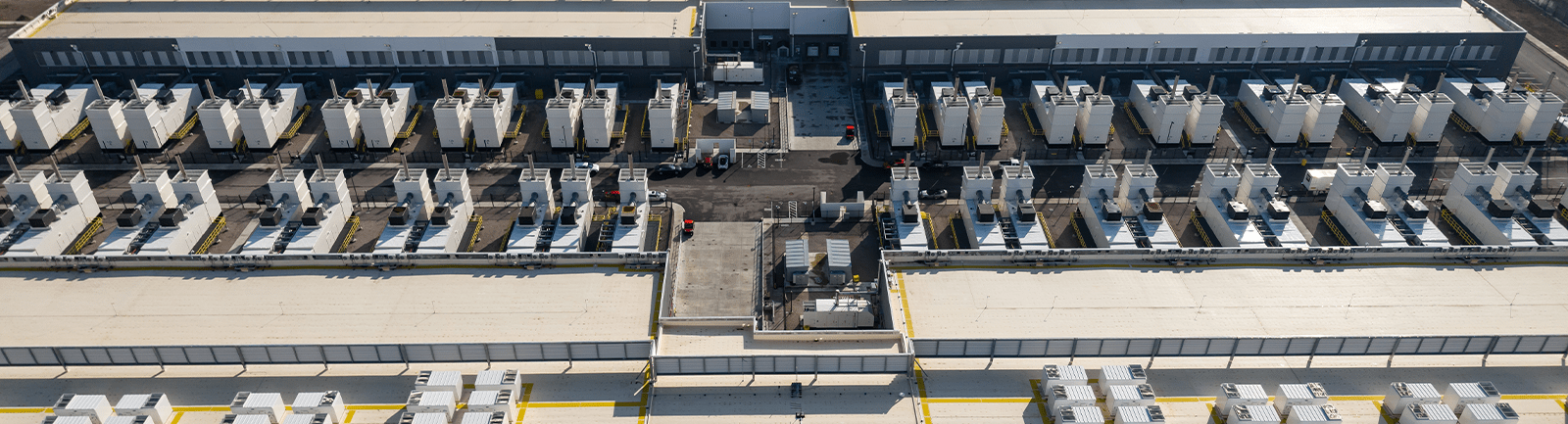
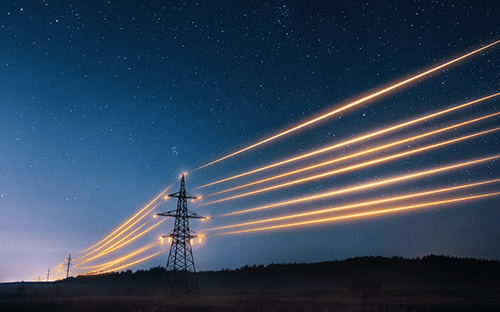
Power supply is the primary source of energy consumption in a data center and represents a strategic challenge that is at once economic, technical, and environmental. A data center converts electricity received from the grid into computing power and thermal energy. It is essential to take sustainability and regulatory compliance into account when managing power supply. A data center’s energy consumption depends primarily on the size of the facility. Nevertheless, it is estimated that computer servers and cooling systems account for approximately 80% of a data center’s energy consumption.
The power supply process relies on a structured chain that runs from the public grid or local sources to the IT loads. In a data center, IT loads refer to all the IT equipment directly responsible for processing, storing, and transmitting data: servers, storage systems, and network equipment. They account for the bulk of active power consumption, which is directly linked to the site’s digital operations.
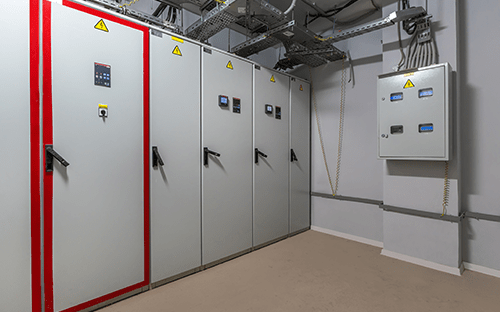
This chain encompasses energy transformation, distribution, protection, and metering. Each stage of this chain contributes to overall energy losses and directly impacts energy performance indicators.
The main challenges related to data center power consumption are:
Power quality and the ability to accurately measure electrical currents at every stage are critical to achieving the availability levels required by SLAs, while sustainably improving the energy efficiency of data centers.

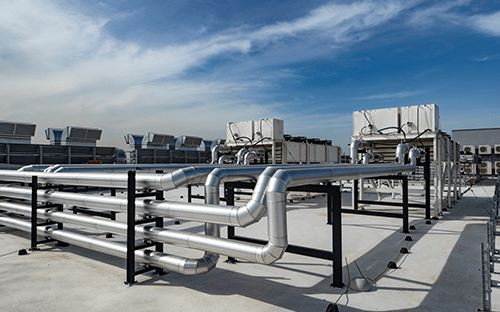
The increasing density of IT equipment is leading to a significant rise in heat loads. In fact, cooling systems account for between 30% and 40% of a data center’s energy consumption.
Cooling systems in data centers are essential for preventing servers from overheating and maintaining stable thermal conditions in IT rooms.
Poor thermal management can lead to:
Depending on the data center’s architecture, cooling can rely on two main complementary methods: air cooling and liquid cooling.
In addition, data centers generate a significant amount of waste heat. This heat can be recovered, particularly through projects eligible for Energy Savings Certificates. The recovery and reuse of heat generated by data centers can thus be used to heat nearby offices or homes, helping to improve overall energy efficiency.

In air-cooled systems (CRAC, CRAH, free cooling), the principle relies on the controlled circulation of cool air from air handling units to IT racks, followed by the return of warm air to the cooling systems. This airflow removes the heat generated by the servers and maintains an operating temperature in accordance with recommendations.
Effective airflow control is essential for ensuring even cooling distribution, preventing the recirculation of warm air, and avoiding the formation of hot spots. Fans play a central role in this process and account for a significant portion of the energy consumption associated with cooling.
The challenge lies in continuously adjusting airflow rates to match actual thermal loads, based on room occupancy, IT rack density, and fluctuations in IT load. Dynamic fan control thus allows power consumption to be adjusted to meet only the exact cooling requirements.
Precise and dynamic ventilation control is therefore a key factor in reducing energy consumption for cooling while ensuring optimal thermal conditions for IT equipment


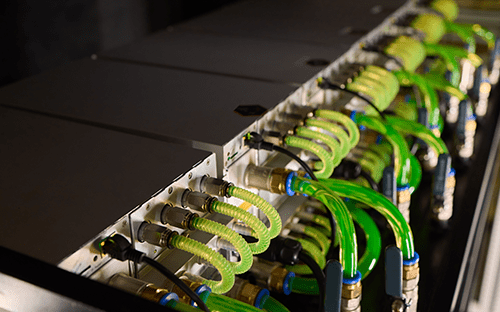
Liquid cooling (chilled water, temperate water, direct rack cooling, or immersion cooling) is rapidly gaining traction in data centers to address high power densities and growing thermal loads associated with AI and HPC applications in particular. Unlike air cooling, this process relies on the fluid’s ability to efficiently transport heat as close as possible to the sources of heat dissipation.
The operating principle is based on closed hydraulic loops. The coolant circulates from a cooling or heat exchange unit to the equipment to be cooled (heat exchangers, rear doors, cold plates, or immersion tanks), where it absorbs the heat generated by the servers. The heated fluid is then returned to the cooling unit to be cooled before starting a new cycle.
The energy efficiency and reliability of these systems depend directly on proper flow control, hydraulic balancing, and the quality of heat exchange. Insufficient flow can lead to elevated temperatures and pose a risk to equipment, while excessive flow results in unnecessary electricity consumption by the pumps.
The performance and reliability of liquid coolingthus depend on continuous and accurate measurement of flow rates, supply and return temperatures, pressures, and fluid quality, in order to ensure optimal heat exchange, controlled hydraulic balancing, and the longevity of the systems.


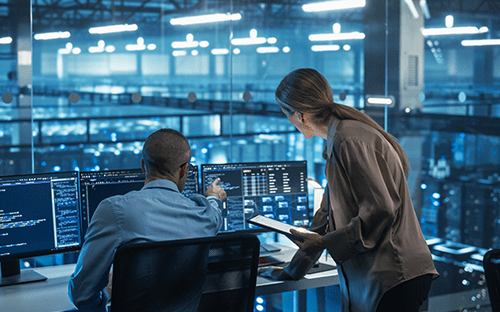
Centralized energy monitoring forms the foundation of a data center’s operational management. It collects, aggregates, and correlates data from electrical, thermal, and environmental systems to provide a comprehensive, reliable, and actionable overview of the facility.
By leveraging field instrumentation and control systems, energy monitoring transforms raw data into operational metrics that are useful for plant operations.
In particular, it allows you to:
The seamless integration of data from sensors, metering systems, and field equipment is essential for optimizing operations, ensuring the reliability of technical decisions, and sustainably improving the data center’s energy efficiency.

Improving energy efficiency requires a comprehensive approach that combines the optimization of power supply, cooling, and operations. In fact, energy accounts for 54% of a data center’s expenses. Consequently, accurately tracking energy consumption (IT loads, cooling, and auxiliary systems) using measurement and monitoring systems makes it possible to identify energy-intensive areas and reduce losses.
Key parameters to monitor include temperature and humidity in IT rooms, flow rates and pressures in cooling circuits, power quality, power consumption per workstation, and the status of critical equipment. Continuous monitoring of these parameters is essential for preventing incidents, optimizing operations, and ensuring energy efficiency.
An industrial monitoring solution enables the centralization of all data from electrical, thermal, and environmental systems, allowing for the early detection of deviations and the anticipation of incidents. It streamlines maintenance, improves the responsiveness of operations teams, and contributes to the continuous optimization of the data center’s energy and operational performance.
Water consumption, primarily associated with liquid cooling systems or cooling towers, is a growing environmental concern for data centers. Accurate measurement of water flow rates at every stage of the process makes it possible to track water usage, identify deviations, and optimize the operation of hydraulic loops. The use of recycled water for system cooling is an emerging method for reducing the environmental impact of data centers. Industrial flow meters thus contribute to more efficient and sustainable water management, while ensuring the thermal performance of the facilities.

Ultrasonic flow meters optimize data center cooling by ensuring reliable measurement of chilled water and liquid cooling flow rates.
February 24, 2026