





The main levers for improving the energy efficiency of a crematorium are combustion optimisation, airflow control, furnace temperature regulation, flue gas heat recovery and the modernisation of electrical equipment. These actions help reduce energy consumption, lower operating costs and limit the environmental impact of cremation.

With rising energy costs and decarbonisation targets set by many local authorities, the issue of energy consumption by cremation furnaces has become a strategic concern for both crematorium operators and equipment manufacturers.
For many years, efforts were primarily focused on regulatory compliance and the reduction of atmospheric emissions. Today, economic performance has also become a priority. Reducing natural gas, fuel oil or electricity consumption not only lowers operating costs but also improves the overall environmental performance of the facility.
Many stakeholders in the sector still believe that the only solution is to completely replace their cremation furnace or invest in an electric crematorium. However, numerous technical levers can already deliver significant improvements on existing installations. Better combustion control, more precise management of auxiliary equipment, optimised temperature regulation and heat recovery can all contribute to reducing energy consumption while improving process stability.
So, how can energy consumption be reduced while limiting the environmental impact of a cremation furnace? Here are five highly effective technical levers to consider.

Combustion lies at the heart of a cremation furnace's operation. It directly determines the amount of energy required for a cremation, as well as process quality, cycle duration and emission levels.
In many installations, one of the main causes of excessive energy consumption is poorly controlled excess air. To avoid any risk of incomplete combustion, some furnaces operate with more combustion air than is actually required. While this approach helps ensure process safety, it also results in significant energy losses. Excess air must be heated, increasing fuel consumption without providing any additional benefit.
Continuous oxygen analysis makes it possible to directly address this phenomenon. By precisely measuring the O₂ concentration in the flue gases, it becomes possible to adjust combustion parameters in real time to maintain the optimal balance between energy efficiency and combustion quality.

Zirconia oxygen sensor technology is particularly well suited to this application. These sensors provide fast and reliable oxygen measurements directly within the combustion gases. When combined with a dedicated controller, they help optimise furnace operation and reduce unnecessary energy consumption.
Gas analysis provides an additional level of insight into the furnace's energy performance. Monitoring carbon monoxide, carbon dioxide and oxygen levels makes it possible to identify operational deviations, improve furnace settings and gain a better understanding of overall energy behaviour.
This approach is widely used throughout industry to improve the energy efficiency of combustion processes. In the funeral sector, it helps reduce natural gas and fuel oil consumption while improving the stability of cremation cycles.
Modern cremation systems already incorporate this principle. Some furnaces use zirconia oxygen analysers and automated control systems capable of continuously adjusting combustion parameters to maintain optimal operating conditions. Temperature and oxygen levels are controlled to ensure complete combustion.
In addition to energy savings, this optimization also helps reduce CO and NOx emissions, thereby improving the environmental impact of cremation.


When discussing crematorium energy consumption, attention is often focused on the burner or the fuel being used. However, a significant proportion of energy consumption also comes from auxiliary equipment.
Combustion fans, flue gas extractors, circulation pumps, cooling systems and flue gas treatment equipment may operate for many hours each day. When these systems run at fixed speed, they often consume more energy than necessary.
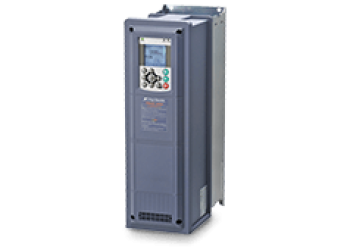
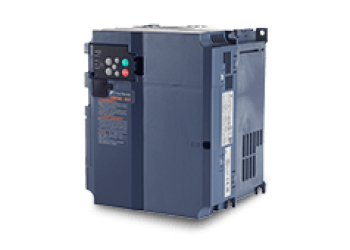
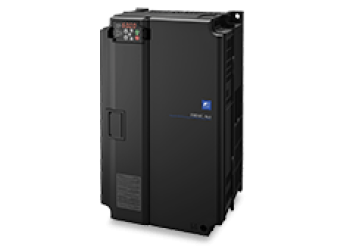
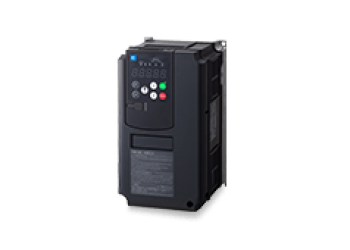
The principle of variable frequency drives (VFDs) is simple: motor speed is continuously adjusted to match the actual requirements of the process. Instead of operating at full power all the time, fans and pumps automatically adapt their speed according to demand.
This approach is particularly relevant in cremation furnaces, where requirements change continuously throughout the cycle. The preheating, active combustion, and cooling phases do not require the same airflow rates or extraction capacities.

The resulting energy savings can be substantial. In many industrial applications, variable speed control of fans and pumps is one of the most cost-effective ways to improve energy efficiency.
Modern furnaces already use this approach to precisely control combustion and draft systems. Variable frequency drives for fans help regulate airflow rates and maintain the pressure conditions required for efficient operation.
In addition to reducing electricity bills, variable frequency drives also improve process stability. Sudden flow variations are reduced, mechanical stress decreases and equipment service life can be extended.
For operators looking to modernize an existing oven, installing variable-speed drives is often a relatively simple solution to implement, offering a quick return on investment.




Temperature control is a fundamental aspect of cremation furnace operation.
Unstable heating typically results in excessive fuel consumption, longer cycle times, premature equipment wear and difficulties maintaining optimal combustion conditions.
The goal of effective temperature control is to maintain the temperature as close as possible to the setpoint while avoiding unnecessary overheating. Every additional degree represents extra energy consumption that does not necessarily result in any benefit to the process.

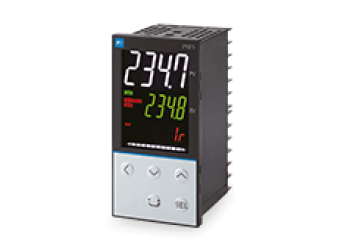
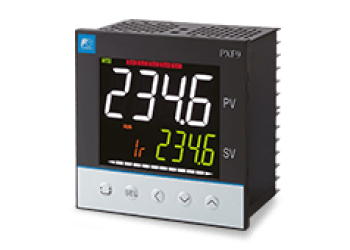
Modern temperature controllers allow extremely precise adjustment of the power supplied to burners or heating elements. Advanced control algorithms anticipate thermal variations and minimise temperature fluctuations.
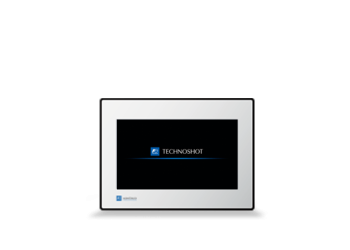
When combined with a human-machine interface (HMI), these systems provide complete visibility of furnace operation. Operators can monitor temperatures, review historical data, analyse deviations and adjust settings when necessary.
This supervisory capability plays a key role in energy optimisation. The data collected provides valuable insight into process behaviour and helps identify opportunities for improvement.
Advanced control systems can also manage heating sequences automatically. Parameters are adjusted according to operating conditions, ensuring energy is used as efficiently as possible throughout the cycle.
In some modern furnaces, the control system uses temperature, oxygen and combustion data to automatically regulate operation and maintain optimum performance.
This approach helps reduce energy consumption while improving the repeatability of cremations and the overall reliability of the facility.





The best energy is often the energy that is not consumed.
In a cremation furnace, a significant proportion of generated energy is lost as heat. Reducing these losses is a direct way to improve energy performance.
Insulation quality plays a major role. Refractory materials and insulation systems used in furnace construction directly influence thermal losses.
The latest equipment uses high-performance thermal materials capable of retaining more heat within the furnace structure. This thermal inertia reduces the energy required during start-up and preheating phases.
Some advanced furnace designs claim to retain approximately 70% of residual heat until the following day's preheating cycle through the use of high-performance refractories and specialised insulation materials.
This stored energy helps reduce overall fuel consumption and improves the furnace's energy efficiency.

Heat recovery represents another highly effective lever. Combustion gases leave the furnace at elevated temperatures and must be cooled before entering the filtration system.
This cooling stage creates an opportunity for energy recovery. Through the use of heat exchangers, part of this thermal energy can be recovered and reused for space heating, hot water production or other on-site applications.
This approach aligns perfectly with the decarbonisation strategies currently being implemented by many local authorities. It improves overall site energy efficiency without modifying the cremation process itself.
In some projects, heat recovery also helps improve the crematorium’s carbon footprint by reducing the building’s energy needs.

The decarbonisation of the funeral sector is naturally driving interest in electric crematoria.
This technology is attracting increasing attention in countries pursuing ambitious carbon reduction targets. In particular, the electrification of furnaces can eliminate dependence on fossil fuels when supplied by a low-carbon electricity mix.
However, the performance of an electric furnace depends heavily on the quality of its control system.
Contrary to popular belief, replacing natural gas with electricity does not automatically guarantee a reduction in energy consumption. Precise temperature control remains essential.

IGBT power controllers play a central role in this area. They allow precise control of electric heating elements and continuously adjust power delivery according to actual process requirements.
This precise control improves thermal stability, limits overheating, and optimizes energy use. IGBT controllers also offer the advantage of reducing electrical disturbances and harmonics that can affect power quality.
For cremation furnace manufacturers, these technologies enable the development of more efficient and energy-conscious designs. For operators, they offer a a promising long-term pathway towards energy transition.
Even when a transition to electric vehicles is not planned in the short term, these technologies already make it possible to prepare for future developments in the sector and anticipate growing requirements for carbon neutrality.


Combustion optimization, variable-speed drives, precise temperature control, and heat recovery are the key factors.
In practice, combustion air and flue gas exhaust fans are major consumers of electricity: when equipped with a variable-frequency drive, they can generate energy savings of 15 to 40 percent compared to fixed-speed operation.
Temperature control using a self-adaptive PID controller automates temperature management in industrial processes and reduces energy consumption by eliminating temperature fluctuations. It also helps prevent excessive energy consumption caused by temperatures exceeding setpoints.
Yes. A cremation requires approximately 900 kWh per cycle, which is equivalent to the monthly energy consumption of an average French household. Over the course of a year, this amounts to 475,000 to 1,140,000 kWh.
By way of comparison, cremation generally takes between 1 hour and 30 minutes and 2 hours at a temperature of 850 to 1,000 °C. In France, the rate of cremation continues to rise by about 1% per year, making the energy efficiency of this equipment an increasingly important societal issue.
A study published in October 2024 by OuiAct reveals that a cremation emits an average of 649 kg of CO₂, 23% of which comes directly from the energy used to burn natural gas. Improving combustion, reducing heat loss, and recovering heat from flue gases are therefore the most effective measures in this area.
From a more structural perspective, the transition to electric heating combined with carbon-free energy sources is the most promising path forward: Fuji Electric offers power controllers specifically designed for the electrification of industrial furnaces, enabling precise control of heating power and substantial reductions in carbon footprint.
Yes, and concrete examples have existed for several years. Partial heat recovery can be achieved by adding a closed-loop heat exchanger, which can be used to heat the crematorium facilities. For total heat recovery, the heat exchanger can be connected to the district heating system. Possible uses include heating the crematorium buildings, supplying district heating networks, or even industrial and agricultural applications (greenhouses).
In Stockholm, the Racksta crematorium supplies the city’s heating networks as an auxiliary heat source.
In France, several crematoriums are already using this method to heat their chapels and facilities, thereby reducing their overall energy consumption.
Yes, and the transition is already underway in several countries. Electric heating makes it possible to move away from fossil gas, which is responsible for the majority of direct emissions from the process. IGBT power controllers, such as Fuji Electric’s PWM-APR series —which uses IGBTs as switching elements with a pulse-width modulation (PWM) system to produce sinusoidal output voltages—provide very precise control over the power delivered to the heating elements, which improves thermal accuracy and reduces power consumption fluctuations.
Fuji Electric’s SCR controllers, meanwhile, offer efficiency of up to 99.8% and excel at managing the flow of electricity to heating systems in industrial furnaces and heat treatment equipment. When combined with carbon-free electricity, these technologies make it possible to envision crematoriums with a very low carbon footprint, in line with the 2050 climate neutrality goals.

Antonin LE MAY
Specialist in environmental and industrial technologies