





Industry 4.0 refers to a new generation of connected factories that involves the interconnection of equipment (IoT), as well as the collection and analysis of data for intelligent automation. It enables the optimization of industrial performance, predictive maintenance, and energy efficiency, while reducing unplanned downtime through real-time process adjustments.
Summarize this article with :
The new strategic challenge facing the industry of the future is energy management. Faced with rising energy costs, decarbonization goals, and the need to maintain reliable production for an increasingly demanding market, companies must continuously optimize their facilities.
Unplanned downtime and losses in energy efficiency remain significant sources of costs and losses in an industry that is more focused on performance than ever before. While the digitalization of industrial equipment is often cited as a solution, it is sometimes still perceived as complex or costly to implement.
However, data generated by computers, software, and other servers provides new insights and facilitates action, thanks in particular to their computing power and artificial intelligence (AI). By automating tasks and implementing corrective measures, it is possible to achieve optimal performance while consuming less energy.
That is what Industry 4.0 promises; it offers concrete solutions to improve the visibility, maintenance, and energy efficiency of facilities.
The term Industry 4.0 was first introduced in 2011 at the Hannover Messe in Germany. Industry 4.0, considered the fourth industrial revolution, is based on the integration of digital technologies into the core of production systems. This is characterized in particular by the interconnection of industrial equipment through the Industrial Internet of Things (IIoT), which enables the collection and analysis of data from machines and sensors in real time.
This approach relies on "cyber-physical" technologies that enable the convergence of the virtual and physical worlds, from digital control and analytics systems to industrial equipment. The goal is to promote smarter automation of facilities, improve decision-making, and optimize the overall performance of industrial sites.
In singles?
Industry 4.0 refers to a new generation of connected, automated, and smart factories. It aims to improve the productivity, efficiency, and flexibility of production processes.
This includes the interconnection of machines and systems, enabling intelligent, automatic, and rapid correction of any malfunctions without halting production.
Industry 4.0 is based on several key principles aimed at improving the performance of industrial companies:
Once collected and analyzed, this information provides a clearer picture of how the facilities operate and enables faster action, even in real time.
Ultimately, Industry 4.0 aims to make factories more connected, more transparent, and more efficient in their day-to-day operations.
*Interoperability: refers to the ability of different systems, machines, software, or devices to communicate with one another, exchange data, and work together, even if they come from different manufacturers or use different technologies.
In an Industry 4.0 environment, the growing interconnectivity of equipment exposes industrial companies to increasingly complex cyberattack risks. The integration of IoT and digital technologies generates massive volumes of data, which must be effectively collected, analyzed, and secured.
In this context, protecting sensitive data is a strategic priority, both to safeguard trade secrets and to guard against threats such as ransomware attacks, which could bring production facilities to a standstill. Poor data management can thus lead to data breaches, malicious intrusions, or significant financial losses.
Given these challenges, industrial cybersecurity has become a top priority today. Companies must not only deploy secure systems to manage their data flows but also comply with current security standards, including conducting regular penetration tests. The use of Data Management Platform (DMP) solutions, in particular, enables better control over access to sensitive information and real-time monitoring of data exchanges. Furthermore, training teams in threat detection and the application of security protocols is a key lever for strengthening the overall resilience of facilities.
At the intersection of data management and infrastructure security, data management and cybersecurity have thus become essential pillars for ensuring business continuity and the long-term performance of industrial sites.
At the end of the 18th century, the invention and widespread adoption of the steam engine marked the beginning of the First Industrial Revolution (Industry 1.0). This period, which lasted until the mid-19th century, saw the gradual introduction of machines capable of automating certain tasks and significantly increasing production capacity.
Initially driven by the United Kingdom, thanks to the use of coal to power steam engines, these key principles and methods quickly spread to the rest of Europe. In France, the development and commercialization of early mechanized machines, such as the sewing machine, also contributed to this trend and supported the modernization of manufacturing processes.
At the end of the 19th century, industry entered a new phase with the advent of electricity and the use of new energy sources such as oil and gas. This second industrial revolution, or Industry 2.0, enabled production facilities to increase their capacity, pace, and efficiency. It was also during this period that the first assembly lines were developed, particularly in the automotive industry with Ford, paving the way for mass production. Industry then shifted to a new scale, with better-organized processes and more standardized manufacturing.
Starting in the second half of the 20th century, industry entered a new phase with the rise of electronics and information technology. This third industrial revolution, or Industry 3.0, marked the beginning of more advanced process automation. Automated systems, programmable logic controllers, and early computer tools enabled greater precision, productivity, and reliability. It was also during this period that the first control and monitoring processes were developed, which would gradually transform the way industrial facilities were managed.
Today, the industry is entering a new phase of transformation driven by the rise of digital technologies, connected devices, and data analytics. This fourth industrial revolution, or Industry 4.0, relies on the interconnection of machines, sensors, and control software to better monitor plant operations in real time (smart production).
This software enables manufacturers to improve the analysis of their facilities, optimize energy consumption, and anticipate failures before they cause unplanned production stoppages—thanks in particular to machine learning, which allows data to be used for real-time corrections. In a context marked by rising energy costs and decarbonization goals, Industry 4.0 technologies are emerging as a strategic lever for enhancing the performance and competitiveness of industrial sites.
Industry 5.0 builds on the transformation initiated by Industry 4.0 with a broader vision of industrial performance.
The principle is clear: to put people back at the center of production processes, alongside advanced technologies. These new technologies, designed to serve people, are just waiting to be integrated into these production processes (artificial intelligence, cloud computing, big data, etc.), and the opportunities are numerous. In this new industrial revolution, the added value will above all be more human-centered, more resilient, and more sustainable in the service of production.
This trend also addresses the challenge of industrial resilience by helping organizations better adapt to unforeseen events, market changes, and environmental constraints. It is part of a broader commitment to sustainability and decarbonization, with a growing focus on reducing the energy footprint of industrial activities.
In practical terms, the principles of the circular economy are also taking on greater importance in order to optimize resource use and reduce waste. Energy thus becomes a strategic pillar for balancing industrial performance, the ecological transition, and long-term competitiveness.[
At many industrial sites, energy optimization is still hampered by a lack of visibility into the actual energy consumption of equipment and production lines.
Under these circumstances, problems are often detected too late, leading to costly corrective measures that are taken only after a failure or loss of performance has already occurred.
However, in most cases, the information is actually available. The problem is that it often remains in the form of scattered or untapped data, which severely limits its usefulness in improving both energy efficiency and the overall operation of the facilities.
Smart instrumentation provides complete control over industrial processes. In other words, with real-time measurement, manufacturers gain a more accurate understanding of how their equipment operates and how energy is used. This visibility makes it easier to detect anomalies, whether they involve drift, malfunction, or consumption deviations. By analyzing the correlation between energy and production, it also becomes possible to better understand the actual performance of processes, identify concrete areas for improvement, and automatically implement updates and other corrective measures.
This approach also supports predictive maintenance by helping to anticipate certain failures before they impact production. Finally, analyzing data over time enables continuous optimization of energy consumption. In other words, within the Industry 4.0 framework, data becomes a driver of performance.
The management of Lake Ailette, in the Hauts-de-France region, aims to maintain a hydraulic balance between upstream inflows and downstream constraints, ensuring a minimum flow for ecosystems while preventing overflow during heavy rains.
Historically, this regulation relied on manual adjustments and infrequent data, limiting the ability to anticipate weather events. During storms, rapid changes in flow could lead to flooding risks and disrupt downstream activities.
To address these challenges, a connected system has been deployed. Standalone flow meters continuously measure lake levels and river flows. This data is automatically sent to an online platform. The FBox remote management system then retrieves the data via API, converts it, and processes it in real time.
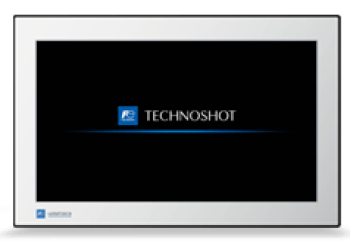
At the heart of the system, a PSC200 industrial controller automatically controls a MONOVAR valve based on setpoints calculated according to hydraulic conditions. The entire system is monitored via a touchscreen HMI, which allows users to view data, log events, and adjust control parameters.
This solution demonstrates the benefits of Industry 4.0: real-time data, interconnected equipment, automation, and greater resilience in the face of unforeseen events.

In the context of energy recovery, an incinerator produces steam to supply a nearby paper mill. The challenge is to accurately measure the flows of steam produced, transferred, and consumed in order to ensure reliable billing.
The large number of measurement points and the scattered nature of the facilities made monitoring difficult, with data not centralized and a lack of visibility into energy flows.
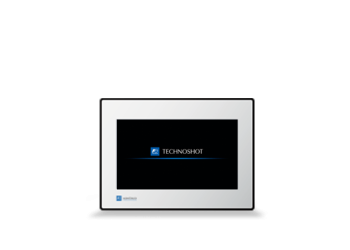
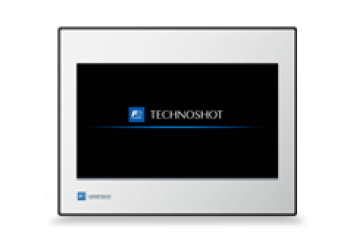
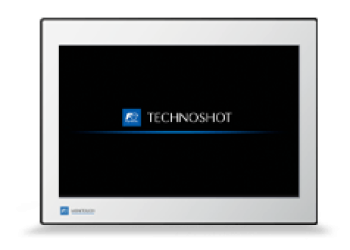
A connected metering architecture was therefore deployed. ERW700 flow and thermal energy meters measure steam and condensate flows, with data collected via Modbus RTU and then transmitted via Modbus TCP over an Ethernet network. The remote management controller—FBox—centralizes and structures the data and generates standardized files.
These files can be automatically transmitted to external platforms, including ADEME, thereby streamlining regulatory procedures and facilitating access to energy subsidies.
The system also incorporates controllers and HMIs capable of detecting changes in real time and updating only the relevant data, thereby improving responsiveness.
The data is then accessible via a monitoring station, providing a consolidated view of energy flows and enabling both more accurate billing and the identification of opportunities for energy optimization.
This project demonstrates how Industry 4.0 contributes to energy recovery: interconnected equipment, reliable data, automated processes, and improved performance.
These transformations are also part of broader national and international trends. In France, the France 2030 plan allocates nearly 54 billion euros in investments to accelerate the digital transformation of industry, complementing initiatives such as “Industrie du Futur,” which aims to support small and medium-sized enterprises (SMEs) and mid-sized companies. At the European level, programs such as “Industry 2025” in Switzerland also illustrate this commitment to strengthening industrial competitiveness through digital innovation.
Digital twins* are virtual replicas of production lines created to simulate changes without interrupting actual manufacturing.
The transition to Industry 4.0 is not limited to the integration of new technologies. It relies on a structured, step-by-step approach that focuses on both tools and teams.
Here are the key steps to successfully completing this transformation:
Today, Industry 4.0 is based on a connected factory, where equipment, sensors, and digital systems communicate continuously. In this environment, data-driven production provides a better understanding of processes and enables operations to be fine-tuned with precision.
Performance becomes continuously measurable, providing clear insight into line efficiency and any deviations. This data facilitates the implementation of smart energy management, enabling better control over energy consumption.
By leveraging this information, manufacturers can also anticipate anomalies and thereby help reduce unplanned downtime, while improving overall production reliability.
To begin their transition to Industry 4.0, manufacturers first and foremost need greater visibility into their facilities. This is precisely the rationale behind the solutions offered by Fuji Electric. pressure transmitters , flow meters, connected sensors, and energy meters enable more precise measurement of consumption, whether it involves energy usage or parameters related to industrial processes.
This data can then be centralized and analyzed using HMI interfaces and monitoring solutions, which make it easier to view and analyze on a daily basis. Finally, variable frequency drives help improve the energy efficiency of facilities while optimizing the control of industrial motors. Together, these technologies are essential building blocks for creating connected, high-performance industries.
| Solution | Role in architecture | Measured/controlled variables | Connectivity / Integration | Protocols / Exchanges | Actionable data | Industry 4.0 Use Cases | Value created |
|---|---|---|---|---|---|---|---|
| pressure transmitters | Field / Instrumentation | Pressure, level, density | 4–20 mA, control system integration | HART, analog | Process measurements, basic diagnostics, alarms | Continuous monitoring, process optimization, preventive maintenance | Reliability, process stability, reduction of deviations |
| Ultrasonic flow meters | Field / Instrumentation | Flow rate, velocity, thermal energy | Clamp-on or in-line, PLC/supervision connection | 4–20 mA, digital, Modbus | Real-time flow, consumption, trend | Energy optimization, grid analysis, anomaly detection | Reduced losses, improved energy efficiency |
| Energy meters | Metering / Energy Management | Energy, power, consumption | Industrial network, energy monitoring | Modbus, pulse, analog, Modbus TCP/IP | History, load profiles, alarms | Energy management, consumption allocation, ESG reporting | Reducing energy costs, performance management |
| Power controllers | Control / Action | Temperature, power | Industrial networks, automation | Modbus, analog, fieldbus | Control variables, statuses, alarms | Precision control, thermal optimization, process quality | Reduced consumption, improved quality |
| HMI | Monitoring / Operator Interface | Viewing, instructions, history | Ethernet, local area network, monitoring, VNC/VPN remote access | Modbus TCP/IP, FTP, network communication | Logging, alerts, dashboards | Real-time monitoring, decision support, local control | Operational agility, greater visibility |
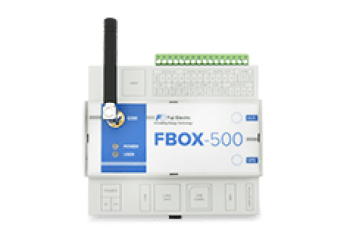
| FBox | Edge / remote management / gateway | Data collection, conversion, and processing | Ethernet, GSM, API, remote connection | MQTT, Modbus TCP/IP, API | Centralization, cloud integration, alerts, edge processing | Industrial IoT, remote maintenance, multi-site interoperability | Remote access, reduced on-site visits, data utilization |
| Variable-speed drives | Control / Action | Speed, torque, energy | Industrial networks, automation | EtherNet/IP, PROFINET, or Modbus TCP, RS-485, Modbus RTU, BACnet MSTP, Metasys N2, PROFIBUS-DP, DeviceNet, LonWorks, BACnet/IP, EtherNet/IP, PROFINET I/O, CANopen, CC-Link | Engine conditions, faults, fuel efficiency | Smart control, maintenance, energy optimization | Lower consumption, higher availability |
The integration of Industry 4.0-compatible solutions enables manufacturers to significantly improve the performance of their facilities. As we have already seen, by providing greater visibility into how equipment operates, these technologies offer tangible benefits:
This approach thus enables the long-term optimization of facilities by combining operational performance with energy efficiency.
An industrial energy audit is often the starting point for an effective improvement initiative. It begins with an analysis of energy consumption, which is essential for understanding how energy is actually used on-site. This then allows for the identification of energy losses, whether due to excessive consumption, operational deviations, or more structural inefficiencies. Finally, identifying critical points helps pinpoint the areas or equipment that most significantly impact energy performance, enabling the development of targeted actions tailored to the site’s priorities.
The success of an industrial project often depends on an approach that is closely aligned with the realities of the site. This is the key benefit of a co-design approach between Fuji Electric and the industrial teams. It begins with the definition of key performance indicators to effectively track energy and operational performance. It continues with the integration of instrumentation solutions and supervisory systems to collect, centralize, and analyze data from the equipment. Finally, the solutions are deployed gradually, allowing for the adaptation of existing facilities and ensuring a controlled transition to more connected and efficient infrastructure.
The deployment of these solutions includes a phase dedicated to installing and configuring the equipment to ensure its seamless integration into existing facilities. Once the systems are operational, analyzing the collected data enables us to assess energy performance and identify new opportunities for optimization. Supply chain optimization through real-time data sharing provides complete visibility into inventory and logistics.
This approach is part of a commitment to continuous improvement, in which regular analysis of results helps fine-tune settings and sustainably enhance the efficiency of the systems. Through this approach, Fuji Electric positions itself as a long-term partner in energy efficiency, working alongside manufacturers.

Industry 4.0 refers to the Fourth Industrial Revolution, characterized bythe integration of digital technologies into the core of production systems. It relies in particular on the interconnection of machines, real-time data collection, and advanced performance analysis to improve productivity, equipment reliability, and the energy efficiency of industrial facilities.
Industry 4.0 is a comprehensive concept for industrial transformation based on digitalization and data utilization.Factory 4.0 represents its practical application in a production facility, featuring connected equipment, advanced monitoring interfaces, and data-driven processes.
Industry 4.0 offers manufacturers a number of benefits. In particular, it helps reduce operating costs, implement predictive maintenance strategies to minimize downtime,optimize equipmentenergy consumption, andimprove productivity through greater visibility into plant performance. Smart factories enable more flexible and customized production, meeting consumer demands while maintaining efficiency gains.
The implementation of Industry 4.0 typically begins with an initial audit to identify areas for improvement. It continues with the installation of connected devices to collect equipment data. This information can then be analyzed and leveraged to improve industrial performance, as part of a phased rollout tailored to existing facilities.
Industry 4.0 requires advanced technological skills, particularly in data science and IoT management. This transition requires ongoing training for employees to adapt to new technologies.
Yes, Industry 4.0 is also accessible to industrial SMEs. It can be implemented gradually by prioritizing the most critical areas, particularly energy-intensive equipment or facilities that are sensitive to production downtime.
Automation raises ethical and social questions, particularly regarding job displacement. Industry 4.0 is expected to generate 600,000 direct and indirect jobs in France by 2025. Thanks to the automation of repetitive tasks in Industry 4.0, employees can focus on tasks with higher added value. This fosters the creation of new professions, such as cybernetics engineers and predictive maintenance technicians.
Of course, this development partially rethinks the production chain and may lead to job losses due to automation, but it also creates new employment and training opportunities in advanced technological fields.
Industry 4.0 enables a better understanding and control of energy consumption through the collection and analysis of data from equipment. This visibility makes it easier to identify energy losses and allows for the implementation of optimization measures to improve the energy efficiency of facilities.
Industry 5.0 represents an evolution of the industrial model toward a more sustainable and resilient approach. It aims to put people back at the center of production systems, while incorporating the challenges of sustainability, decarbonization, and the circular economy.
In an Industry 4.0 environment, connected devices constantly generate large amounts of data. To fully leverage this data, it must be analyzed quickly and efficiently. AI is essential for analyzing the data collected by connected devices. In particular, it enables the identification of trends, the detection of anomalies, and the anticipation of failures. Thanks to these capabilities, manufacturers can improve their decision-making, optimize their processes, and enhance the overall performance of their facilities.
Industry 4.0 is more than just a technological advancement. Today, it serves as a strategic driver of competitiveness for manufacturers, enabling them to improve the operational and energy efficiency of their facilities.
In this context, energy has become a key indicator of industrial performance. The combination of equipment digitization and smart instrumentation enables companies to better understand their facilities, optimize energy consumption, and enhance the reliability of their processes.
By combining measurement, data analysis, and intelligent control, Fuji Electric supports you in implementing your Industry 4.0 factory and paves the way for sustainable industrial performance.

Antonin LE MAY
Specialist in environmental and industrial technologies