





Industrial energy efficiency involves reducing the amount of energy required to operate a plant without compromising its production or performance.
To achieve this, it is necessary to measure energy consumption, identify the equipment and utilities that consume the most energy, monitor energy performance indicators (EPI), and then take action on processes, control systems, motors, combustion, and industrial utilities.
In light of rising energy costs and competitiveness challenges, improving energy efficiency has become a strategic driver for industrial sites. An effective approach involves gaining a better understanding of where and how energy is consumed, and then prioritizing actions that yield the most significant gains.
Energy metering, instrumentation, audits, process optimization, variable-speed control, combustion analysis, and automation thus make it possible to measure, control, and sustainably reduce energy consumption.
The main drivers of energy efficiency in industry:
To achieve lasting improvements in a plant’s energy efficiency, it is essential to accurately measure energy consumption, identify the equipment, processes, and utilities that consume the most energy, and then implement targeted measures.
Energy metering, monitoring of energy performance indicators (EPI),energy audits, process optimization, combustion analysis, control systems, and variable-speed drives are particularly useful for identifying opportunities for energy savings and measuring the resulting gains.
An energy-efficiency initiative thus helps reduce energy costs, improve the industrial site’s competitiveness, and lessen its environmental impact.

Industrial energy efficiency refers to the ability of a plant, process, or piece of equipment to maintain or improve its production level while consuming less energy.
It begins by measuring energy consumption to identify the equipment, processes, and utilities that consume the most energy. Electricity, gas, steam, compressed air, water, and thermal energy can thus be tracked separately to detect deviations, losses, and opportunities for energy savings.
Improving energy efficiency then requires targeted actions: metering and sub-metering, monitoring energy performance indicators (EPI), process optimization, control systems, variable-speed motor drives, combustion analysis, and improvements to industrial utilities.
The goal is to achieve a sustainable reduction in energy consumption and costs without compromising productivity, quality, or the safety of the facilities.

Energy efficiency has become a major issue for industrial companies, as it helps reduce energy costs, improve competitiveness, and limit the environmental impact of production activities.
In industry, energy consumption is associated with many different components: motors, pumps, fans, compressors, boilers, furnaces, heating and cooling systems, steam generation, compressed air, and other industrial utilities. A better understanding of these uses makes it possible to identify the most energy-intensive components and focus improvement efforts where they yield the greatest benefits.
Improving the energy efficiency of an industrial site also helps to better control production costs, reduce exposure to fluctuations in energy prices, and strengthen the resilience of facilities. Finally, measuring and monitoring energy consumption makes it possible to verify the savings achieved and to integrate energy-efficiency initiatives into a process of continuous improvement.
To learn more, check out our tips for reducing a factory’s energy costs and identify the key opportunities for energy savings at an industrial site.
Energy metering systems andcombustion analysis instruments make it possible to better measure, understand, and optimize energy consumption at an industrial site. In particular, they help to:
In addition to direct energy savings, certain energy efficiency projects may be eligible for assistance or financing programs, including Energy Savings Certificates (CEE) when the projects in question meet the applicable eligibility criteria.

Industrial companies must integrate energy efficiency into an increasingly structured regulatory and standards framework. The goal is to better manage energy consumption, reduce emissions, and implement a continuous improvement process.
The standard ISO 50001 is the primary standard for establishing an energy management system. It helps companies set goals, track their energy consumption, measure their energy performance indicators (EPI), and implement improvement initiatives.
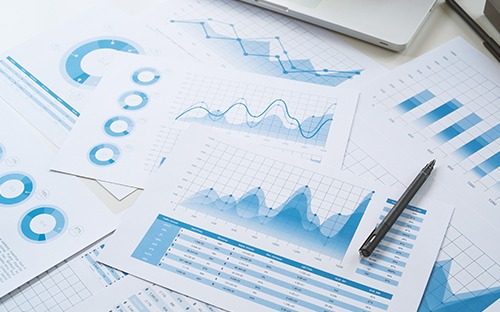
An energy audit, on the other hand, helps identify the main areas of energy use, the equipment that consumes the most energy, and opportunities for energy savings. It is often a key step in prioritizing investments and developing a measurable action plan.
The implementation of appropriate instrumentation, metering systems, and energy monitoring systems finally provides reliable data for measuring performance and verifying the effectiveness of the measures taken.
To achieve a sustainable reduction in an industrial site’s energy consumption, it is first necessary to have reliable and sufficiently detailed data. Measurement makes it possible to identify the areas with the highest energy consumption, compare performance over time, and detect deviations.
An effective strategy generally involves measuring and sub-measuring energy consumption, monitoring key energy uses, and definingenergy performance indicators (EPI) tailored to specific processes and equipment.
The analysis must cover both production processes and industrial utilities, including electricity, gas, steam, compressed air, water, heating, cooling, and thermal energy.
This data can then be used to prioritize improvement measures, optimize facility operations, and measure the actual energy savings achieved.
High-performance industrial instrumentation enables precise measurement of energy consumption, identification of deviations, and more efficient process control. Fuji Electric offers solutions for metering, power control, and combustion analysis that allow companies to monitor key energy uses and sustainably improve the energy efficiency of industrial facilities.


Electricity metering

Gas metering

Water metering

Compressed air metering

Thermal and heat metering

Thermal and heat metering
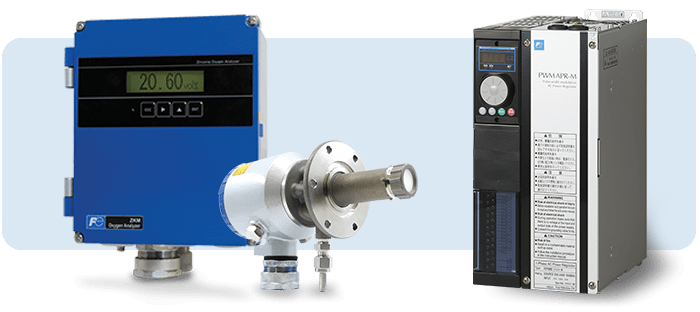
By combining measurement, energy metering, and process optimization, manufacturers have access to reliable data to identify energy-intensive areas, adjust their facilities, and verify the energy savings achieved. This approach helps reduce operating costs while improving the site’s energy and environmental performance.


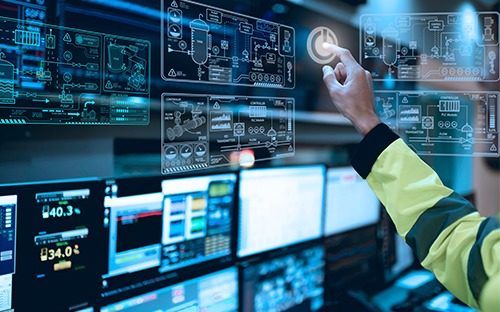
Implementing an energy performance management and monitoring system makes it possible to centralize consumption data, track changes over time, and quickly identify energy inefficiencies.
To be effective, this system must rely on reliable data from measurement and metering equipment, and then organize that data aroundenergy performance indicators (EPI) tailored to specific applications, processes, and production levels.
Monitoring may include electricity, gas, steam, compressed air, water, or thermal energy. Analyzing this data makes it possible to compare performance over time, identify variances, and prioritize improvement initiatives.
When combined with dashboards, monitoring tools, and an energy audit, this approach makes it possible to manage energy performance over the long term, verify the energy savings achieved, and ensure that the actions taken are part of a process of continuous improvement.
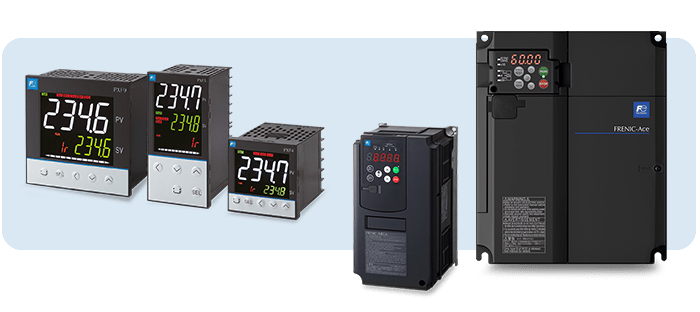
Industrial process optimization involves adapting equipment operations to actual production needs in order to reduce unnecessary consumption while maintaining the quality, productivity, and availability of the facilities.
In particular, it may involve regulating temperatures, pressures, and flow rates; adjusting electrical power; optimizing combustion; or adjusting the speed of motors, pumps, and fans.
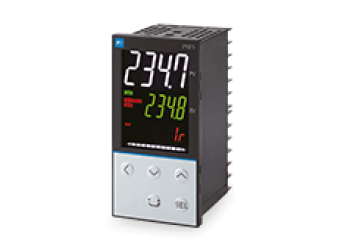
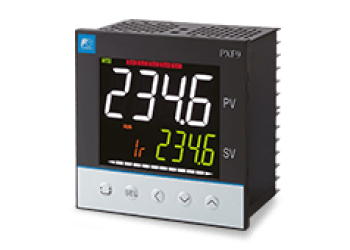
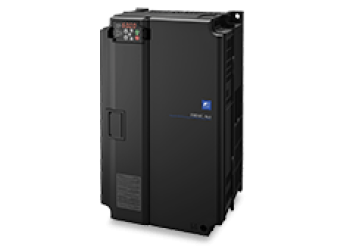
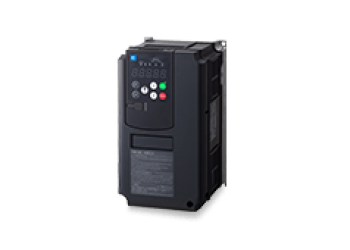
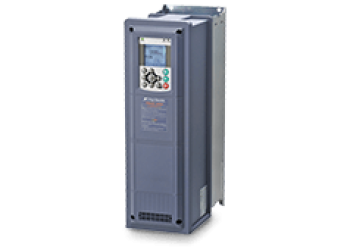
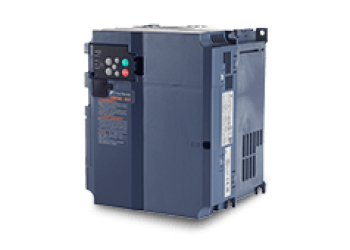
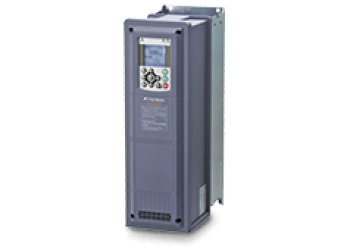
Automation and control systems allow operating parameters to be continuously adjusted based on actual process conditions. The temperature controllers, power controllers, and variable-speed drives thus help reduce excess energy consumption and improve the energy efficiency of equipment.
When combined with data from energy metering and measurement instruments, these solutions make it possible to compare performance, detect deviations, and measure the energy savings achieved after optimization.



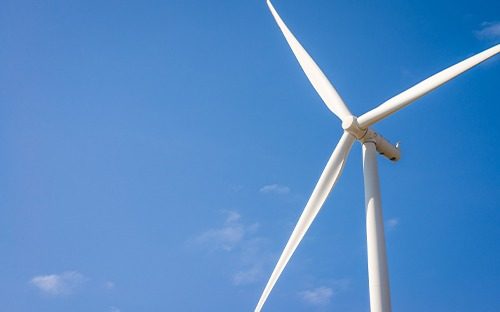
The integration of renewable energy can complement an industrial energy efficiency strategy by reducing the share of conventional energy consumed by the facility. Solar, wind, biomass, and energy recovery can thus help reduce the facility’s overall energy footprint.
To effectively manage these energy inputs, it is important to measure separately the energy produced, consumed, and, where applicable, fed back into the grid, and then compare this data with the site’s actual energy needs. Energy metering systems make it possible to track these flows and assess the actual contribution of renewable energy to overall energy performance.

Improving energy efficiency enables manufacturers to simultaneously reduce their energy consumption, operating costs, and the emissions associated with their operations.
By reducing their consumption of electricity, gas, steam, or fuel, companies decrease their energy dependence and limit greenhouse gas emissions associated with the operation of their facilities.
Measuring energy consumption and tracking energy performance indicators also make it possible to quantify progress, identify deviations, and assess the effectiveness of the measures taken over time.
Energy efficiency thus helps to balance industrial performance, cost control, and the reduction of the environmental footprint, as part of a commitment to continuous improvement.

Investing in energy efficiency helps reduce operating costs over the long term while improving the performance of industrial facilities. However, when deciding on specific measures, it is important to consider the investment cost, the expected energy savings, and the payback period.
There are several options available to help finance a project: government grants, loans, leases, financing from third-party investors, or programs related to Energy Savings Certificates (CEE) when the project is eligible.
Before investing, it is recommended to conduct a technical and economic analysis to compare the various solutions and prioritize those that offer the best balance between energy savings, investment cost, reliability, and return on investment.
Projects may involve, among other things, energy metering, instrumentation, variable-speed drives, combustion optimization, control systems, and improvements to industrial utilities.
The return on investment depends primarily on the amount invested, the annual energy savings achieved, maintenance costs, and any financial incentives. A simple calculation involves comparing the net cost of the project to the annual savings generated in order to estimate the payback period.
For complex industrial projects, it is best to also factor in the benefits related to maintenance, equipment availability, production quality, and reduced energy risks.

The main actions involve measuring energy consumption, identifying the equipment and utilities that consume the most energy, monitoring energy performance indicators (EPI), optimizing processes, and adjusting equipment operation to actual production needs.
Energy metering, energy audits, variable-speed control, regulation, combustion analysis, and automation then make it possible to reduce energy consumption and measure the resulting energy savings.
Energy efficiency means achieving the same level of production or service while consuming less energy.
More broadly,energy efficiency aims to optimize the ratio between the energy resources used and the result obtained.
In the industry, both approaches aim to improve performance while reducing unnecessary consumption.
Measuring energy efficiency involves tracking energy consumption, monitoring the main areas of energy use, and defining energy performance indicators tailored to the process.
For example, these indicators can relate the consumption of electricity, gas, steam, or compressed air to the quantity produced, operating time, or another unit representative of the activity.
Analysis over time then makes it possible to identify deviations and verify the savings achieved.
To reduce a factory’s energy consumption, you must first measure the main energy uses, identify the most energy-intensive areas, and then take action on the relevant equipment and processes.
These initiatives may involve control systems, motors and variable-speed drives, combustion, steam, compressed air, heating, cooling, or process automation.
Monitoring consumption after implementation makes it possible to verify the gains achieved and to prioritize next steps.
The selection of a service provider should be based on its ability to measure energy consumption, analyze processes, propose appropriate technical solutions, and verify the energy savings achieved.
For an industrial site, it is particularly beneficial to choose a partner capable of providing services in instrumentation, energy metering, automation, process optimization, and energy audits.
An energy efficiency project can be financed through several means: equity, loans, leases, third-party financing, government grants, or Energy Savings Certificates (CEE) when the project is eligible.
Before investing, it is recommended that you compare the project cost, the expected energy savings, and the payback period.

Industrial energy efficiency increasingly relies on a combination of reliable measures, energy performance indicators, automation, and monitoring tools capable of quickly identifying deviations and opportunities for savings.
The rise ofIndustry 4.0, connected sensors, and data analytics enables manufacturers to better understand their energy consumption and adjust equipment operations based on actual production needs.
An effective approach, therefore, involves measuring, analyzing, managing, and then optimizing energy consumption over the long term, while balancing industrial performance, cost control, and reducing environmental impact.
Fuji Electric supports manufacturers in this process through its solutions for instrumentation, energy metering, combustion analysis, control,automation, and energy audits.

Our experts can help you measure your energy consumption, identify opportunities for energy savings, and determine the instrumentation and optimization solutions best suited to your facilities.

Eric STOECKEL
Energy efficiency application engineer