Industrial energy optimization involves measuring, analyzing, and improving energy usage in order to reduce a plant’s energy consumption and operating costs without compromising its production performance.
In particular, it relies on identifying energy-intensive processes, metering industrial utilities, analyzing consumption data, and optimizing processes and equipment.
Electricity, steam, fuel, industrial refrigeration, and compressed air must be measured separately in order to identify losses, detect deviations, and prioritize actions with the greatest potential for savings.
A structured approach thus makes it possible to measure → analyze → optimize → verify the savings achieved.

Industrial energy optimization refers to all measures taken to make more efficient use of the energy required to operate a production facility. It involves measuring energy consumption, analyzing usage patterns, identifying energy losses, and adapting the operation of equipment and processes to actual needs.
Unlike a simple, one-time reduction in consumption, energy optimization is based on a continuous process that combines instrumentation, metering, data analysis, control, automation, and performance monitoring.
Its goal is to reduce energy consumption and costs while maintaining productivity, quality, and facility availability.
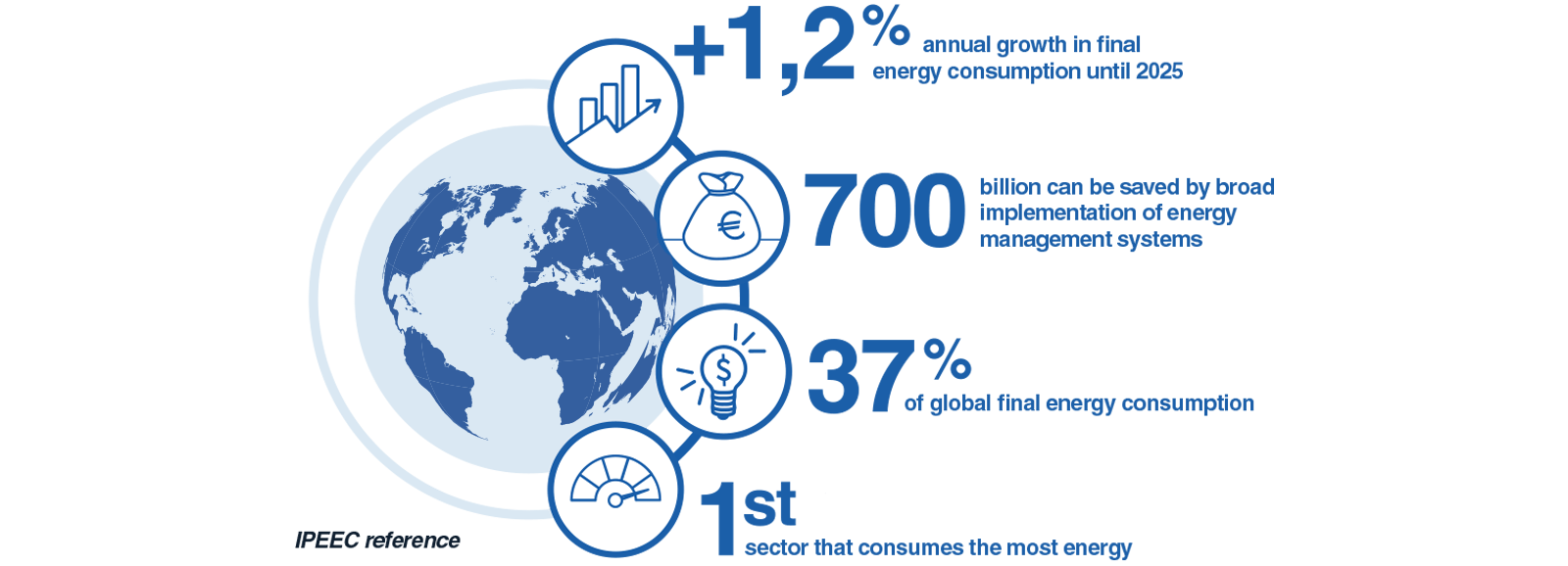

The main opportunities for energy optimization are often found in the utilities required for industrial processes: electricity, steam, fuel, refrigeration, and compressed air.
Inadequate metering or poor management of these networks can lead to excessive consumption, energy losses, increased production costs, and reduced plant efficiency.
The first step, therefore, is to measure each use separately in order to identify the most energy-intensive areas and determine which actions offer the greatest potential for savings.
A significant portion of industrial energy losses is related to utilities: steam, fuel, electricity, industrial refrigeration, and compressed air. Inadequate measurement of consumption, failure to detect anomalies, or improper control can lead to excessive consumption and higher energy costs.
The key strategies for energy optimization involve accurately measuring usage, monitoring consumption, detecting deviations, and adjusting how equipment operates. Depending on the facility, this may involve automation, control systems, heat recovery, smart equipment management, or process optimization.
A sustainable reduction in energy costs therefore requires a structured approach: measuring, analyzing, prioritizing actions, and then verifying the savings achieved.

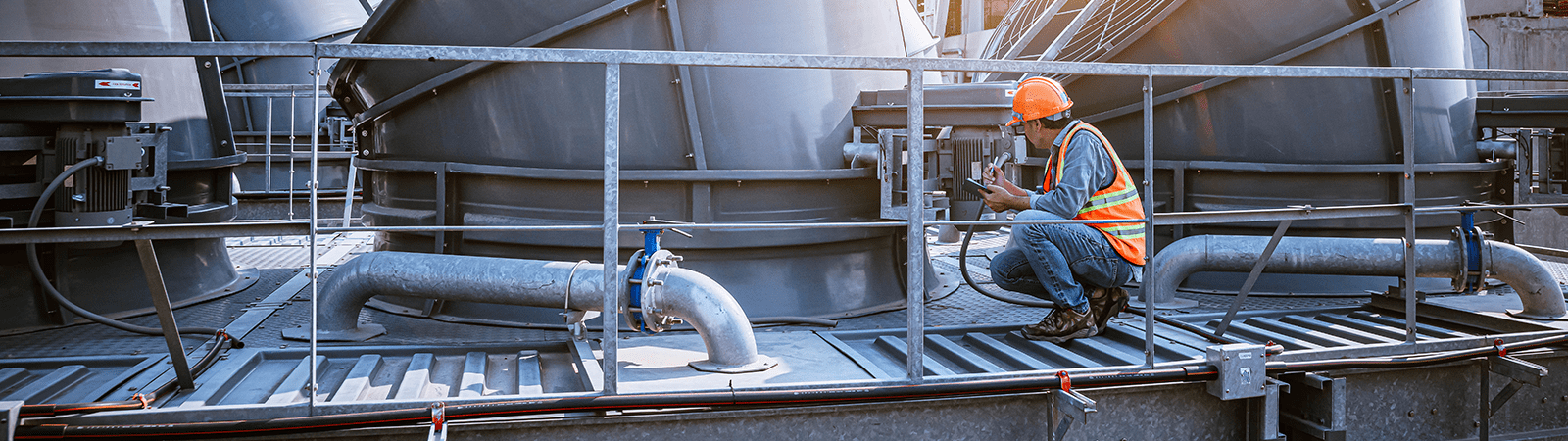
Not all energy-efficiency measures offer the same savings potential or involve the same investment costs. The priority, therefore, is to identify the most costly areas, quantify the losses, and compare the expected savings to the amount of investment required.
In particular, the analysis may take into account annual energy savings, maintenance costs, productivity gains, equipment lifespan, and the time to recoup the investment.
This approach makes it possible to prioritize actions: correcting deviations and making adjustments, improving metering, optimizing utilities, modernizing equipment, or automating processes.
In practical terms, energy optimization for industrial utilities relies on a detailed analysis of energy consumption, the identification of inefficiencies, and the implementation of targeted measures to reduce energy losses and costs.
Energy metering makes it possible to measure the main energy uses separately, compare how they change over time, and identify the areas with the greatest deviations or opportunities for savings.
An energy audit helps identify sources of waste, prioritize potential savings, and evaluate the return on investment (ROI) of proposed measures. It is therefore a key step in prioritizing investments and sustainably improving the energy performance of industrial facilities.

The measurement of saturated or superheated steam, and of pressure and temperature-corrected flow, is essential in industrial sectors such as food processing and the chemical and petrochemical industries for process heating.
Steam flow metering enables :
In the majority of industrial companies, gas, fuel oil and coal are used to produce heat for plant installations and industrial processes. Industries remain highly dependent on fossil fuels as raw materials.
Measuring fuel consumption enables :
Whatever your sector of activity, electricity is probably the most essential utility for the operation of your production equipment.
Electrical energy metering and optimization enable :

Although the food industry is the main consumer of energy in the form of industrial refrigeration to maintain the cold chain, other sectors such as pharmaceuticals and chemicals also use it (cooling circuits in processes, datacenters, industrial buildings, etc.).
Industrial refrigeration metering enables :

11% of industrial electricity production is dedicated to the manufacture of compressed air. For these industries, mastery of air network management is essential.
Collecting, analyzing and exploiting precise data on air consumption, selecting and installing compressed air meters and relevant energy performance indicators can generate between 15 and 30% savings in :
In many industries, a significant proportion of the energy consumed is dissipated in the form of waste heat from production equipment and processes. Yet all too often, this valuable resource remains untapped. Waste heat recovery involves capturing this wasted energy and reusing it within the company, for example to heat premises, produce steam or power cooling systems.
Setting up a waste heat recovery system requires an in-depth analysis of industrial processes and equipment to identify heat production points and recovery opportunities. By reinjecting this energy into the production cycle, companies can significantly reduce their energy consumption, make substantial savings on their bills and improve their overall energy efficiency. This optimization lever not only cuts costs, but also boosts industrial competitiveness, while meeting the challenges of the energy transition.
Energy optimization does not rely solely on equipment and measurement systems. The involvement of staff also makes it possible to detect deviations more quickly, prevent certain forms of waste, and maintain best practices over time.
Raising awareness and providing training for operators, technicians, and site managers makes it easier to use energy data, monitor indicators, and identify consumption variances. This helps ensure that optimization efforts are part of a continuous improvement process.
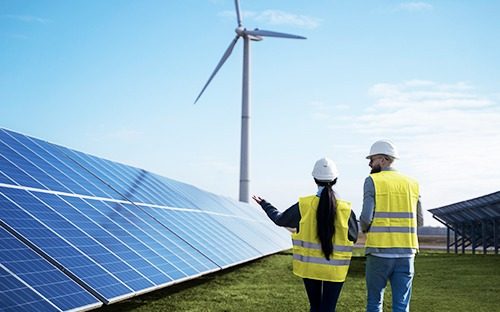
Renewable energy can complement an industrial energy optimization strategy, but it does not replace the need to first reduce unnecessary energy consumption. Before increasing the share of renewable energy, it is therefore best to measure energy usage, identify losses, and improve the efficiency of equipment and processes.
Once energy consumption is under control, incorporating local energy production or energy recovery solutions can help further reduce costs and dependence on conventional energy sources.
Industry 4.0 enables improved energy optimization through the collection, centralization, and real-time analysis of data from industrial equipment and utilities.
Connected sensors, monitoring systems, and analytical tools make it possible to detect consumption anomalies more quickly, compare the performance of facilities, and identify priority actions.
When combined withautomation and control systems, this data makes it possible to tailor equipment operation to actual production needs and track the savings achieved over time.
Energy optimization helps reduce consumption of electricity, fuel, and industrial utilities, which also helps lower emissions associated with the site's operations.
These environmental benefits, however, result from better management of energy use. On this page, the priority therefore remains to identify energy losses, reduce unnecessary consumption, and measure the resulting savings.

The main energy uses—electricity, steam, fuels, refrigeration, and compressed air—must be measured separately. Metering and monitoring consumption help identify inefficiencies, losses, and areas with the greatest potential for savings.
Actions should be categorized based on their savings potential, investment cost, impact on production, and payback period. Simple corrective actions can be implemented quickly, while larger investments require a technical and economic analysis.
The payback period can be estimated by comparing the net cost of the investment to the annual savings it generates. For a more comprehensive analysis, it is helpful to also factor in maintenance costs, productivity gains, and the equipment's useful life.
Priorities depend on the process, but electricity, steam, fuel, compressed air, and industrial refrigeration are often among the key items to monitor. Measuring them separately makes it easier to identify excessive consumption and opportunities for savings.
 Brochure
Download the brochure and optimize your energy performance!

Eric STOECKEL
Energy efficiency application engineer