





Crematorium emissions regulations require rigorous emissions monitoring in order to limit atmospheric pollutants and reduce the carbon impact of cremation facilities. With Fuji Electric CEMS, operators can continuously analyse flue gases and particulate matter, improve combustion performance and meet environmental requirements while ensuring better emissions traceability.

Emissions monitoring at crematoriums involves the continuous analysis of the fumes and particulate matter released during cremation. Modern crematoriums use gas an analysers , dust an analysers , and continuous emissions monitoring systems (CEMS) to measure pollutants such as carbon monoxide (CO), nitrogen oxides (NOx), oxygen (O₂), and particulate matter to ensure environmental compliance, improve process stability, and reduce environmental impact.
Continuous emissions monitoring systems are increasingly considered essential in crematoriums because they provide real-time visibility into air emissions while helping operators meet regulatory requirements and the expectations of the relevant authorities. Automated equipment can record emissions data, generate reports, and alert operators when abnormal conditions or increases in emissions are detected.
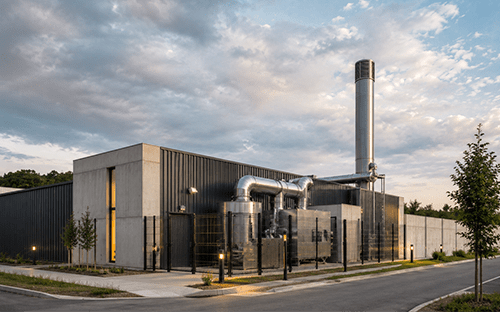
The cremation industry is receiving increasing attention from governments, regulatory agencies, and environmental organizations, which are tightening their requirements regarding air emissions, mercury pollution, and air quality.
In the UK, more than 535,000 cremations were carried out in 2023 across 334 crematoria sites. Most cremators still operate using fossil fuels, generating significant carbon emissions and atmospheric pollutants every year.
Awareness of climate change and the environmental impact of cremation also continues to grow. Questions such as “What emissions are produced during cremation?”, “How much carbon dioxide is produced?”, and “How are crematorium emissions monitored?” are now frequently raised by authorities, operators, and communities.

As a result, crematoria are increasingly treated as regulated thermal facilities where flue gas analysis, dust monitoring and environmental traceability are becoming essential operational requirements.
The pollutants considered most concerning include dioxins and furans (PCDD/F), mercury, and fine particulate matter (PM2.5), which are known for their toxicity and their ability to accumulate in biological tissues over time. Environmental organizations are therefore paying increasing attention to these pollutants because of their potential effects on air quality and public health.
Exposure to PM2.5 can increase the risks of heart disease, lung cancer, asthma and adverse birth outcomes, particularly affecting vulnerable populations such as babies, children, pregnant women and the elderly. For this reason, environmental agencies and local authorities are paying increasing attention to fine particulate matter released by crematoria, especially in densely populated urban environments.

Cremation produces a mixture of combustion gases, fine particles, and air pollutants. Their exact composition depends on several factors, including furnace design, the fuel used, filtration equipment, operating conditions, and maintenance practices.
Among the key pollutants commonly associated with crematoria emissions are:
Incomplete combustion can lead to a significant increase in concentrations of carbon monoxide and organic compounds. That is why oxygen measurement and flue gas monitoring play a vital role in modern crematoriums.
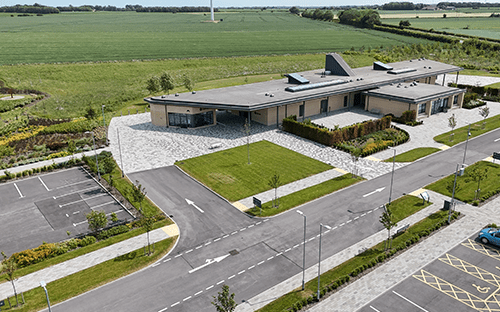
Nitrogen oxides are receiving increasing attention due to their impact on air quality and public health. Regulations and expectations regarding continuous monitoring are gradually becoming more stringent.
Particulate matter is also a major concern because fine particulate matter emitted from the chimney can affect vulnerable populations if it is not properly controlled.
Mercury pollution remains one of the most sensitive environmental issues in the cremation industry due to the potential effects associated with dental amalgams and heavy metals present in the fumes. Some environmental studies estimate that crematoriums account for approximately 5% of total PCDD/F emissions, 6% of mercury emissions, and 0.25% of PM2.5 emissions in Canada.
These concerns explain why many regulators now favour a precautionary approach and tighter environmental oversight.
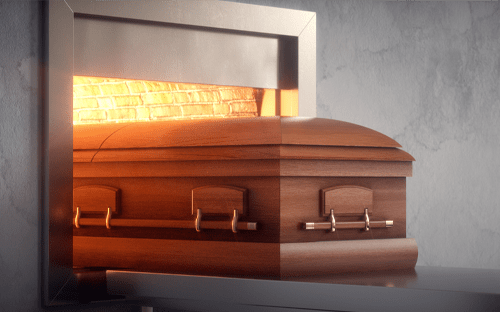
Crematoria in the UK operate under environmental permitting frameworks and statutory guidance that define acceptable atmospheric emissions limits and operating conditions.
The main requirements are based, in particular, on the decree of January 28, 2010, concerning the maximum quantities of pollutants contained in gases emitted into the atmosphere by crematoriums, as well as on several European standards applicable to measurement systems and emissions monitoring.
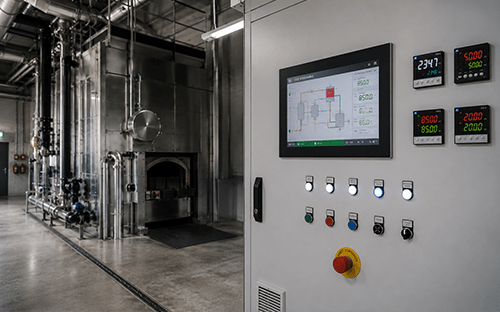
The updated guidance introduces:
The guidance also reinforces operational requirements linked to:
Effective emissions control in crematoria is strongly linked to what specialists describe as the “Three Ts”:
Controlling thermal operating conditions is essential for preventing and controlling atmospheric emissions from crematoriums. Among the key operating parameters is the residence time in the afterburner chamber, which must be verified during commissioning and maintained within the required temperature range.
Regulations also require that afterburners operate at temperatures generally above 850 °C to promote more efficient destruction of pollutants and organic compounds present in the flue gas.
Operators must monitor emissions in accordance with applicable measurement methods and current standards. They are also required to ensure the traceability of measurements and to report any anomalies that could affect the quality of environmental data.
Crematoriums must also comply with the emission limits set forth in applicable regulations; compliance is verified based on representative measurements taken under normal operating conditions.
The competent authorities also expect operators to maintain the necessary records and to demonstrate that emission measurements remain representative of normal operating conditions.
For many crematoria operators and local authority regulators, continuous emissions visibility is increasingly considered part of the best available techniques used to control atmospheric emissions in crematoria.
PGN 5/2 (25) distinguishes between existing cremators and new installations. New cremators are subject to more stringent requirements, reflecting increasing expectations regarding air quality and environmental performance.

facilities equipped with a flue gas treatment system, the main emission limit values established by the decree of January 28, 2010, are:
These limits are intended to reduce emissions of acid gases, particulate matter, organic compounds and mercury. Existing crematoria are expected to comply with these requirements within four years of the publication of PGN 5/2 (25), meaning compliance is anticipated by around 2029.
New cremation facilities are generally designed to incorporate more advanced technologies for flue gas treatment and emissions control.
For new cremators, PGN 5/2 (25) introduces stricter limits:
New installations therefore require tighter control of acid gases, dust emissions, organic compounds and mercury releases.
The same reference conditions apply to both new and existing cremators:
Regulatory concentrations are adjusted to 11% oxygen. Accurate O₂ measurement is therefore essential to ensure compliance with measurements
For unabated cremators, meaning cremators without dedicated flue gas treatment, emissions are assessed over the entire cremation cycle.
The applicable limits are:
Depending on the needs, other parameters, such as NOx or mercury, may also be measured and monitored specifically.
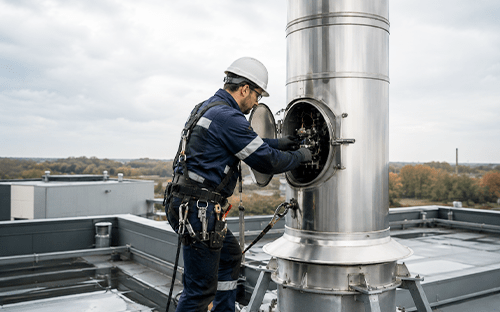
A standby cremator retained for breakdown situations or occasional additional capacity may operate for no more than 100 hours per calendar year if it is not connected to a flue gas treatment system.
Facilities used on a temporary basis or for maintenance operations must nevertheless ensure a level of environmental performance that is consistent with applicable regulatory requirements.
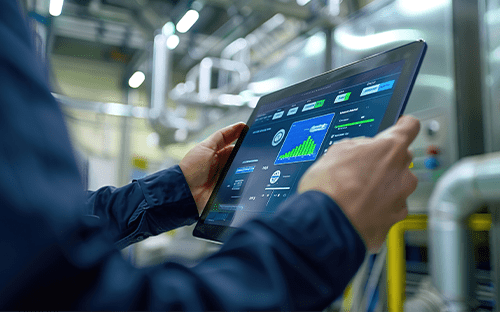
Crematoriums monitor their emissions using a combination of real-time automated systems, periodic testing, and process indicators.
Modern crematoria use automated continuous gas analysis and particulate measurement systems capable of recording environmental data in real time, generating compliance reports and alerting operators if abnormal emissions conditions are detected.
Emissions monitoring must begin as soon as a steady flow of smoke is established after the cremation furnace door is closed—usually about two minutes after the cremation begins—and continue for about one hour in order to obtain representative data.
Environmental authorities generally expect operators to maintain inspection records, calibration reports, emissions analysis logs and maintenance documentation to support long-term environmental traceability.
Continuous analysis technologies are particularly important because they help operators identify abnormal operating conditions before pollutant concentrations exceed environmental limit values.
For many retrofit projects, installation space, maintenance accessibility and analyser downtime are also important operational considerations.
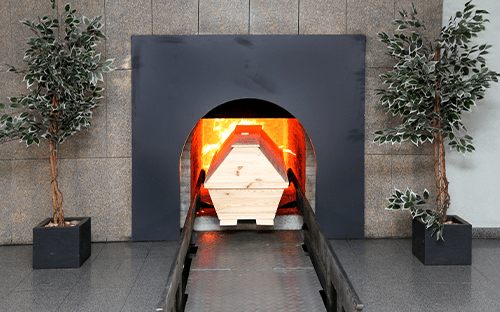
Oxygen and carbon monoxide are among the most important parameters in crematoriums because they provide direct information about the furnace’s operating conditions and the quality of the flue gases.
Low oxygen concentrations may indicate poor air distribution or an insufficient residence time in the afterburner chamber. These conditions can lead to incomplete combustion and result in increased emissions.
Carbon monoxide is widely used as an indicator of thermal process quality. Rising CO concentrations often suggest deteriorating furnace stability or inefficient air-fuel conditions.
Technical guidance used in crematoria applications explains that oxygen and combustible gas analysis can help operators maintain stable operating conditions whilst limiting unwanted atmospheric releases.
In France, the decree of January 28, 2010, sets an emission limit of 50 mg/Nm³ for carbon monoxide. Monitoring CO levels thus allows operators to track furnace performance while helping to ensure compliance with regulatory requirements.
For this reason, many crematoria rely on continuous O₂ and CO analysis not only for environmental reporting but also for day-to-day furnace supervision.
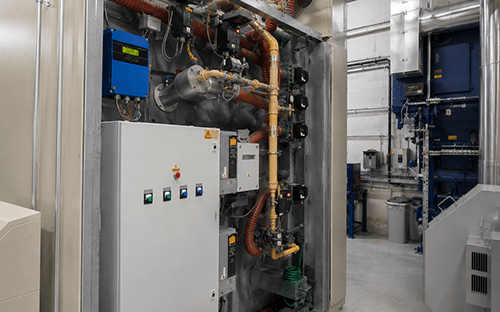
This distinction is essential because the two objectives do not always require the same architecture or instrumentation.
The primary goal of regulatory compliance is to demonstrate that air emissions remain below permitted limits. It generally involves flue gas analysis, particulate matter measurement, regulatory reporting, and data traceability.
Process supervision focuses more directly on cremator operating conditions. The objective is to maintain stable thermal conditions, improve combustion efficiency and reduce the likelihood of increased emissions during normal operations.
In practice, many crematoria combine both approaches through :
Understanding this distinction helps operators avoid over-specifying or under-specifying their installation.
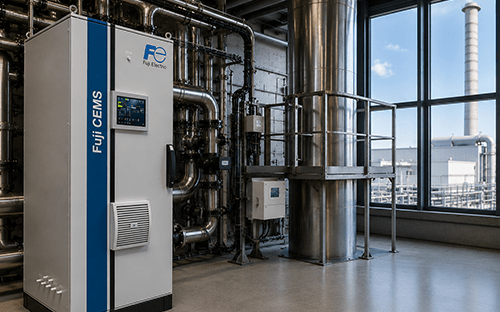
A CEMS (Continuous Emissions Monitoring System) for crematoriums is an integrated solution designed to continuously analyze the flue gases and particulate emissions released from the chimney of a cremation furnace.
Continuous Emissions Monitoring Systems are used to continuously measure pollutants such as NOx, SOx, carbon monoxide and particulate matter in order to support regulatory compliance and emissions reporting.
A typical crematorium CEMS may include:
The objective is to provide continuous visibility into air emissions whilst supporting full compliance with environmental permit conditions.
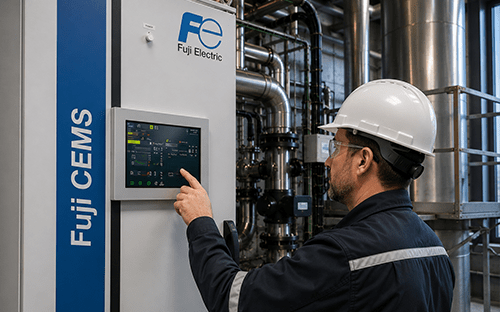
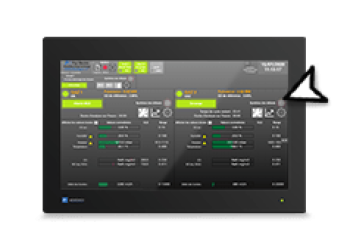
Data acquisition and processing systems (DAHS) also enable operators to:
As regulations evolve, continuous environmental reporting is becoming increasingly important across both new crematoria and retrofit projects.
To ensure the reliability of environmental data, CEMS equipment generally requires regular maintenance, calibration, and verification in accordance with recognized standards and guidelines.
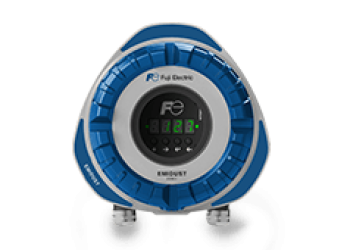
Dust monitoring is an essential part of emissions control at crematoriums. To meet this need, Fuji Electric offers analyser ZIDM-4 EmiDust electro-inductive analyser, designed to provide continuous dust measurement and improve monitoring of the facilities’ environmental performance.
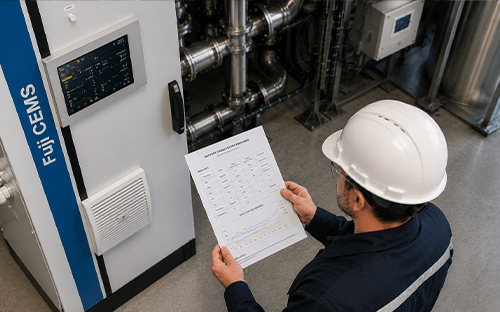
Carbon monoxide and oxygen are commonly analysed because they provide valuable visibility into thermal operating conditions.
Nitrogen oxides are increasingly important due to tightening environmental regulations and stronger air-quality expectations.
Where SCR or SNCR technologies are used for NOx abatement, PGN 5/2 (25) also introduces a monitoring requirement for ammonia (NH₃) to control ammonia slip.
Particulate matter is also receiving growing attention because fine particulates and dust emissions may affect nearby populations and environmental performance.
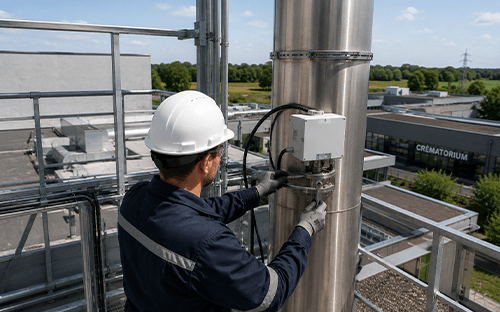
Depending on the installation, additional pollutants may include:
The goal is not necessarily to implement the most complex architecture possible, but to define a reliable, sustainable solution that is tailored to operational constraints and regulatory requirements.
For crematoria equipped with flue gas treatment, operators are generally required to install a continuously operating filter leak detection device capable of identifying leaks that could lead to exceedances of particulate matter emission limits.

Certification has become a major topic in crematoria projects because environmental authorities increasingly expect proven and validated instrumentation.
In the UK, MCERTS certification is widely recognised for environmental analysis technologies used in regulatory applications.
QAL1-certified instruments are also frequently specified for particulate analysis and continuous emissions applications.
Operators must ensure that equipment and techniques used for emissions analysis are accredited to EN ISO/IEC 17025, which is an internationally recognised standard for testing and calibration laboratories.
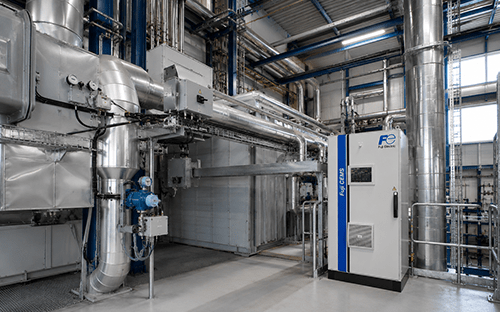
Fuji Electric supports crematoria projects through continuous gas analysis technologies adapted to regulatory compliance and thermal process supervision.
Depending on the project, Fuji Electric can support:
This flexibility is particularly important because crematorium projects vary significantly depending on:
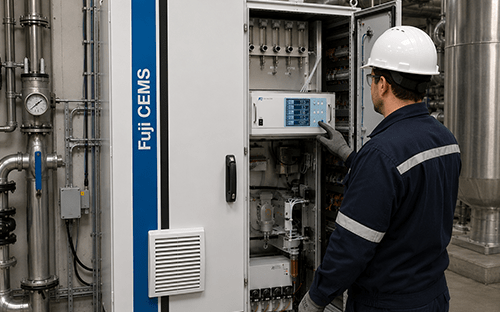
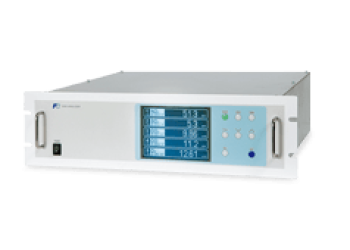
Fuji Electric's ZPA infraredanalyser r is designed to simultaneously measure multiple components in flue gas, depending on the application's requirements.
Typical analysed gases may include:
For crematoria operators and OEMs, simultaneous gas analysis can simplify installation architecture whilst improving visibility across several environmental parameters at the same time.
Since many crematoriums face significant integration challenges, compact and easy-to-maintain configurations offer a significant advantage for modernization projects.
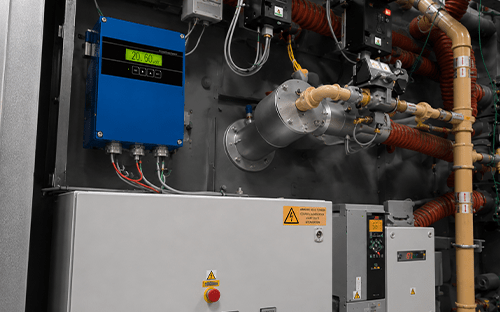
Fuji Electric's zirconium-based oxygen analysis technologies are designed to provide continuous measurement in high-temperature industrial environments.
The ZFK8 zirconium probe, when used with the ZKM converter, allows operators to directly monitor the oxygen concentration within the thermal process.
In cremation applications, this type of measure helps:
Zirconium-based technologies are widely used in thermal processes because they offer fast response times and continuous in-situ measurement without requiring a complex gas sampling system.


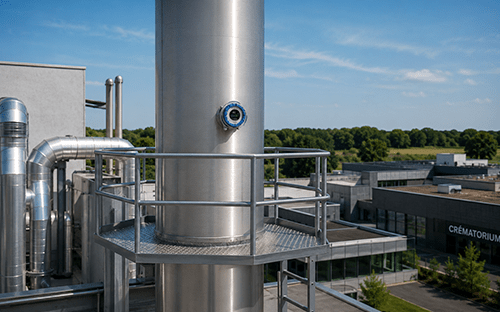
Dust analysis is becoming increasingly important as regulations governing crematorium emissions evolve and environmental requirements become stricter.
Continuous particulate analysers help operators detect abnormal dust releases, supervise bag filter performance and improve visibility across stack conditions.
Modern particulate technologies may also support:
For crematoriums seeking a more comprehensive approach to emissions control, particulate monitoring is now an essential complement to continuous gas analysis.
Advanced filtration systems, particularly activated carbon filters, canachieve mercury removal rates of over 99% under appropriate operating conditions. These technologies are increasingly being used to reduce mercury emissions, improve environmental performance, and meet stricter regulatory requirements.

Continuous gas analysis does not directly eliminate pollution, but it provides operators with greater insight into the furnace's behavior under actual operating conditions.
Improved visibility may help identify:
This approach enables operations and maintenance teams toadopt a more proactive strategy regarding environmental performance and process stability.
Recent developments and industry discussions within the UK cremation sector suggest that better process management, operator training and the use of advanced digital tools could contribute to lower fuel usage and reduced CO₂ emissions without requiring major modifications to existing installations.
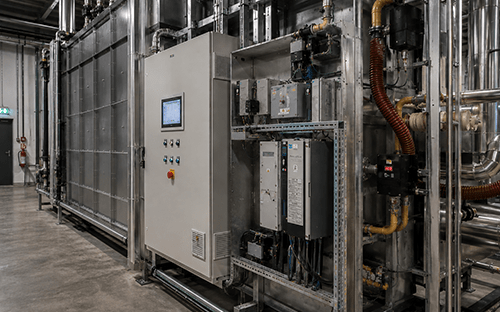
Before selecting a crematorium emissions solution, operators and engineering teams should evaluate several important technical and regulatory questions:
A structured approach to defining requirements helps ensure that the selected equipment remains suitable for operational constraints, environmental objectives, and long-term regulatory requirements.

Cremation can produce carbon monoxide, nitrogen oxides, particulate matter, volatile organic compounds, acidic gases, and mercury, depending on the furnace’s operating conditions and the filtration technologies used.
A CEMS for crematoriums is a continuous emissions monitoring system designed to analyze the fumes and particulates released during cremation in order to support environmental compliance and regulatory reporting.
Continuous oxygen analysis enables operators to maintain stable operating conditions, reduce the risk of incomplete combustion, and improve visibility into the thermal process.
In France, crematoriums are primarily subject to the decree of January 28, 2010, regarding the maximum amounts of pollutants contained in gases released into the atmosphere, as well as to the European standards applicable to emission measurement and monitoring systems.

Antonin LE MAY
Specialist in environmental and industrial technologies