





Summarize this article with :
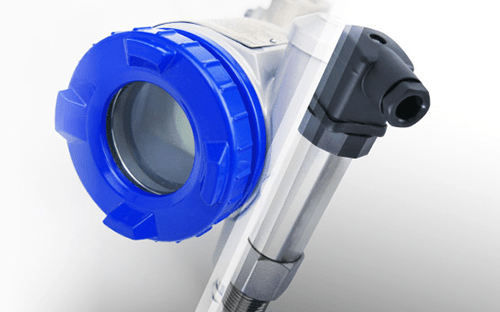
compact pressure transmitter and the intelligent process pressure transmitter (HART) are both used for pressure measurement in industrial applications.
Although their purpose is the same, their datasheet , performance, and uses differ greatly. These differences are reflected in particular in variations in accuracy, stability, functionality, robustness, and overall operating cost.
Once the application constraints have been clearly defined, it becomes possible to determine which technology is most suitable.
This article examines each of these types in detail, along with their advantages and limitations, to help you make the right choice.
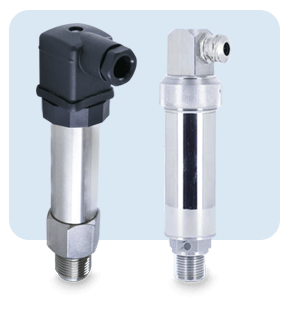
compact pressure transmitter uses various measurement technologies, including:
These sensors directly convert physical pressure into an analog electrical signal, typically of the 4–20 mA or 0–10 V type, without advanced digital processing.
They are widely used in simple industrial applications or integrated into machines.
There are several pros to using a compact pressure transmitter over a process pressure transmitter.

pressure transmitter are generally less expensive to purchase than pressure transmitter .
The pressure transmitter is smaller and lighter than the pressure transmitter, making it easier to integrate into confined spaces such as machines. They are commonly used in aerospace, automotive, industrial equipment, and medical applications.
The absence of software settings or configuration allows for rapid implementation.
However, there are a few cons to using a compact pressure transmitter.

The compact analog pressure transmitter has a fixed range compared to the smart pressure transmitter. The range cannot be set by the user.
The signal from the pressure transducer is always noisier than the signal from the pressure transmitter.
The pressure transmitter does not offer linearization or temperature compensation.
The pressure transmitter is less accurate than the intelligent HART pressure transmitter.
Changes in ambient or process temperature can cause zero shift and increased drift.
Analog sensors, due to their design, are subject to greater drift than pressure transmitters . As a result, compact, economical sensors generally require more frequent calibration, which increases maintenance costs.
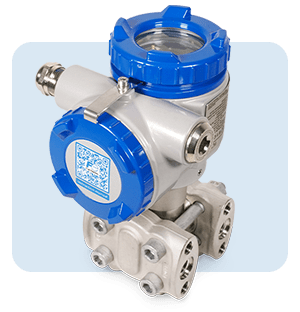
Process pressure transmitters represent a technological evolution of pressure transmitter .
They incorporate signal processing functions that linearize, amplify, and compensate for the measurement before it is transmitted.
Smart pressure transmitters are designed for process monitoring, control, and regulation applications and are a key component of industrial automation systems.
The output signal is generally:
There are many advantages to using a Smart pressure transmitters over a analog pressure transmitter :
The Smart pressure transmitters thanks to the linearization of the pressure measurement is more accurate and reliablethan the compact pressure transmitter .
The Smart pressure transmitters' accuracy is 0.065% or better of the set span.
Pressure transmitters are compensated for ambient and process temperature variations.
This makes them independent of external environmental conditions.
Intelligent pressure transmitters can be calibrated with tools using the HART protocol to compensate for drift over time and ensure long-term stability.
The range of process transmitters can be calibrated on demand to the exact range required for the application.
They can be set to a wider pressure range.
They have a pressure range reduction ratio which allows their current setting to be changed over a wide range.
HART process pressure transmitters have a longer service life and are more durable than pressure transducers.
A wide choice of materials and process connections is available.
Their construction is robust, thanks to a design that includes high-grade steel material, TIG welding, high-quality bolts and nuts, and high-quality seals and gaskets.
They are vibration-resistant, and benefit from high protection against dust and moisture.
They can be used for high-temperature applications with diaphragm seals .
There are several disadvantages to using a smart pressure transmitter over a compact pressure transmitter.
Smart pressure transmitters are more expensive than compact rod type pressure transmitters, so there is a trade-off between cost and performance.
Their size and weight are bigger than the compact rod type pressure transmitters.
So, they cannot be installed in the application for which these parameters are paramount.
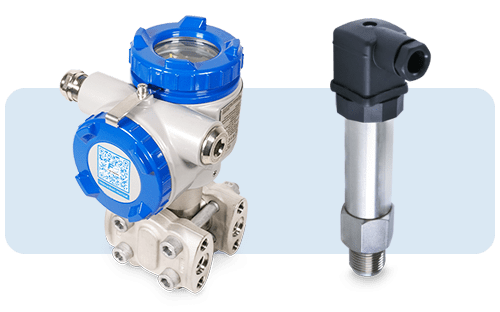
pressure transmitter be used for many different applications in manufacturing and industry, but which one should you choose for your application?
There are different things to consider when deciding on what type of sensor would work best for your project: pressure range, accuracy, performance, output signal, process temperature, nature of the fluid, and the price range.

The compact pressure transmitter offers a fixed pressure range.
On the other side, the smart pressure transmitter's range can be tailored to the application for a perfect match.

Process pressure transmitter accuracy is 0.065% or better of the set span whereas low cost pressure transmitter accuracy is 0.25% of the full range.
The smart pressure transmitter thermal performance and long-term stability are 50 times better than with compact pressure transmitter.

The smart pressure transmitter's analog output signal is 4-20mA with HART protocol whereas the compact pressure transmitter analog output signal is 4-20mA or 0-10V without HART protocol.

The low cost pressure transmitter temperature is limited to 100°C whereas the process pressure transmitters thanks to the diaphragm seal can withstand temperatures up to 450°C.

Hart protocol allows setting the parameters of the smart pressure transmitters.
They can also be used for self-diagnosis to control the transmitters' health over their lifetime.
This communication protocol is not available on low cost pressure transmitters.

HART pressure transmitters are available in a wide range of materials and constructions, making them more versatile and robust than pressure transmitters.

The price of the process pressure transmitters is in the 400-600 euros price range whereas the low cost pressure transmitter's price is around 100-150 euros.
This article explains the main difference between a compact analogue rod-type pressure transmitter and the Process SMART pressure transmitter.
It's written to clear up any misconceptions about the differences between different sensor types and to help you select the most appropriate one for your application.
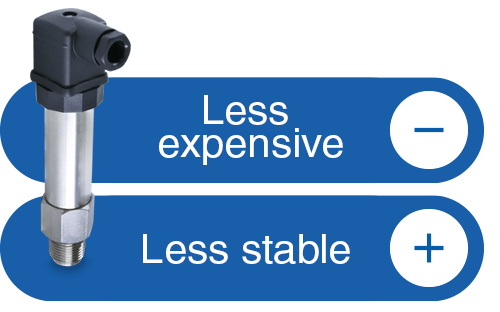
Low cost pressure transmitters are less expensive than process pressure transmitters, but they also offer fewer features and lower accuracy.
They can be chosen when you don't need high accuracy and when you are not strict about the performance and the measurement drift.
They are economical and satisfactory for applications with standard pressure ranges and process connections.
pressure transmitters are typically used in low-end applications where cost is a major consideration.
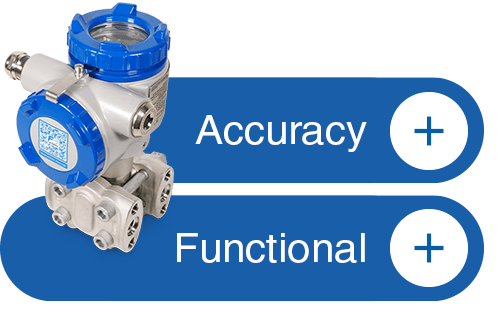
Due to its long-term stability and robustness, the process pressure transmitter offers low maintenance costs and higher equipment availability than the low cost pressure transmitter, making it cheaper and safer in the long run.
Smart pressure transmitters offer more features and higher accuracy.




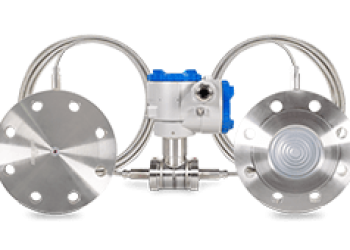
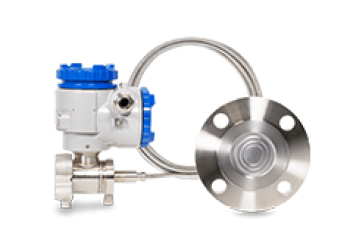

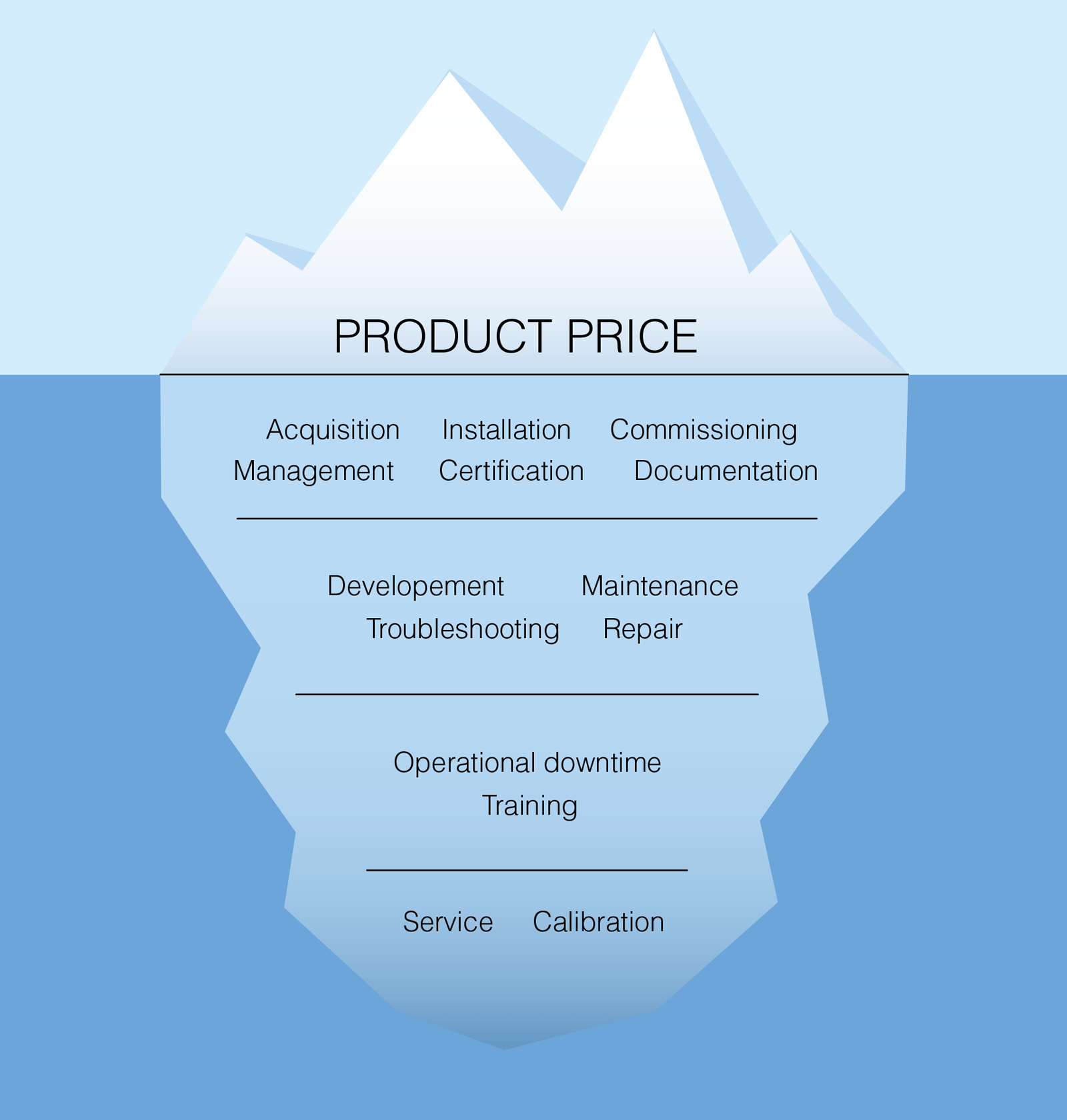
comparing the price of a pressure transmitter that of an intelligent process pressure transmitter, it is essential to consider the total cost of ownership(TCO).
They are a better choice for more demanding applications, such as in the oil & gas, pulp & paper, chemical, hydrogen, energy, metal and cement industries.
| Criteria | Analog pressure transmitter | Intelligent process pressure transmitter |
| Features | Single analog signal (4-20 mA), Direct pressure measurement without signal processing | Simple analog signal (4-20 mA) and digital communication (HART, Profibus), Advanced diagnostic functions, Remote configuration and adjustment, Easy integration with industrial control and automation systems |
| Costs | Less than purchase, | Greater than purchase, |
| Optimized use cases | Ideal for non-critical applications, Suitable when advanced features are not required | Perfect for complex industrial environments, where precision, control and real-time diagnostics are critical. |
| Operating temperature | Standard temperature range | Capable of operating in higher temperature ranges up to 450°C |
| Stability and precision | No features to compensate for variations. Sensitive to pressure and temperature variations | Superior accuracy and stability thanks to advanced compensation and correction algorithms |
| Installation and commissioning | Simple installation. No configuration options. | Flexible installation thanks to configuration and adjustment options via HART pocket or software. |

An analog sensor delivers a simple signal (e.g., 4–20 mA or 0–10 V) without advanced features. An intelligent transmitter adds signal processing (linearization, compensation), diagnostics, and often digital communication (e.g., HART).
When the application is standard and non-critical, space is limited, and advanced precision/diagnostics are not required. This is also relevant when purchase cost is the priority criterion.
When accuracy, thermal stability, repeatability, and diagnostics are important, or when the installation requires fine adjustment of the measurement range, easy calibration, or advanced integration into an automation system.
The choice depends on safety requirements, environmental constraints, and qualification procedures. Simple analog architectures can reduce complexity, while smart transmitters are relevant if they are qualified and tested for the intended environment.

Sylvain GRAVEROT
Expert in pressure transducers and transmitters