





Ensuring reliable nuclearsafety using aqualifiedpressure transmitter is a major challenge in demanding industrial environments, particularly in highly critical sectors such as nuclear power, energy, and complex industrial processes.
In this context, anuclear pressure transmitterdoes more than simply provide a measurement: it plays a direct role in preventing hazardous situations, protecting facilities, and ensuring personal safety. Its selection must therefore meet strict criteria—technical, regulatory, and organizational.
This article outlinessix essential criteriafor ensuring that apressure transmitter effectively fulfills a safety function throughout its lifecycle in anuclear power plant
The nuclear industry is a mature industry with well-established processes and high reliability requirements.
These requirements are defined by customers, process manufacturers, and legal regulations governing all aspects of safety, in accordance with the safety requirements published by the French Nuclear Safety and Radiation Protection Authority (ASNR).
In this context,nuclear-qualified pressure sensors and transmittershave played a vital role in process monitoring and control for several decades, directly contributing to the safety ofnuclearfacilities. Fuji Electric, a French manufacturer certified to ISO 19443, has been designing and manufacturing pressure transmitters in France for over 40 years for EDF reactors and international nuclear facilities.
The ongoing evolution of safety requirements, the experience gained internationally, and the increased focus on failure prevention are now leading to further tightening of the selection criteria for this equipment.
RCC-E-qualifiedpressure transmitters used for safety-critical functions must now meet higher standards for robustness, qualification, traceability, and long-term reliability to ensure their performance under all anticipated operating conditions.
The first requirement for ensuring thesafety-critical operationof apressure transmitter is a robust quality management system and a genuine safety culture.
This implies:
The reliability of apressure transmitter intended for a safety function depends as much on its design as on the industrial and organizational environment in which it is designed, qualified, and maintained.Fuji Electric is ISO 19443 certified, a quality standard specific to suppliers in the nuclear industry.
Apressure transmitter used in a safety-critical application must ensure long-term performance, even under severe operating conditions.
The qualified design life—up to 60 years for nuclear facilities—is based in particular on:
Rigorous qualification enables the behavior ofthe nuclear pressure transmitterto be predicted throughout its service life and ensures the reliability of decisions based on its measurements.Fuji Electric’s nuclear sensors are qualified for up to 60 years, with SIL2/SIL3 certifications and RCC-E qualifications: NC, TAS, K3A/1E.
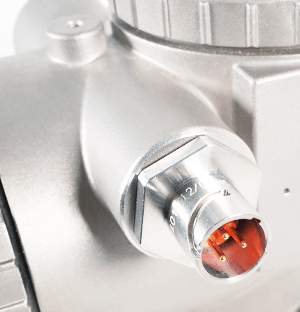
Electrical connections play a critical role in the overall reliability of the safety functionof apressure transmitter a nuclear power plant.
An improper or unqualified electrical connection can compromise data transmission or even cause critical failures.
pressure transmitters intended for safety-related functions must incorporate:
The quality of the interfaces is just as important as that of thepressure transmitter itself.
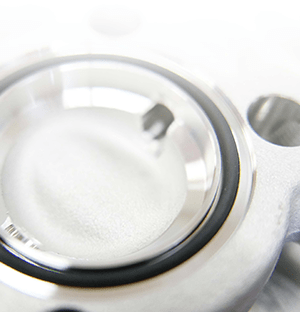
Components in contact with the measured fluid—particularly seals—must be perfectly suited to the process conditions to ensure the durability of thequalifiedpressure transmitter .
It is essential to take into account:
Choosing the wrong materials can lead to premature deterioration of the pressure transmitter and compromise the reliability of thenuclear safety function.
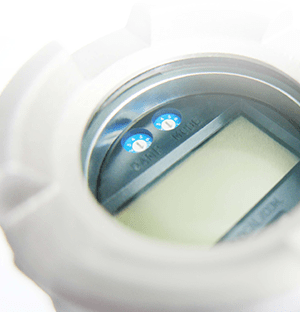
The electronics ofpressure transmitter play a central role in performing asafety function. They must be designed to minimize the risk of failure and ensure reliable transmission of information.
Depending on the application, the choice betweenanalog sensorsand sensors with advanced features should be based on safety requirements and ease of operation.
Fuji Electric's FY series offers pressure transmitters nuclear pressure transmitters without programmable digital components, designed specifically for safety functions.
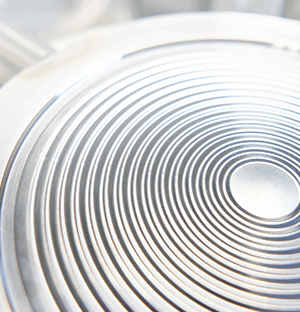
Connecting thequalifiedpressure transmitter to the process is a critical factor for safety, leak-tightness, and measurement reliability.
In the context of asafety-related function at a nuclear power plant, the choice of fitting must be perfectly suited to the mechanical, thermal, and environmental constraints of the facility.
pressure transmitters designed for these critical applications must therefore offer a variety of process connections, including:
A properly selected and qualified connection directly helps reduce the risk of leaks, mechanical damage, and installation errors, and plays a key role in ensuring the overall reliability of thesafety functionprovided by thepressure transmitter .
The Fuji Electric product line offers all of these process connections on its FKC, FKA, FKG, FKB, FKD, FKM, FYC, FYG, FYB, and FYD models.

Fuji Electric France, based in Clermont-Ferrand, is one of the few French manufacturers of RCC-E-qualifiedpressure transmitters , certified to ISO 19443, offering a comprehensive range of products for relative, absolute, and differential pressure measurement in nuclear facilities.
Anpressure transmitter is a pressure transmitter that has demonstrated, through standardized testing, its ability to perform its measurement function under both normal and accident conditions (LOCA, earthquake) in a PWR nuclear power plant. The RCC-E is the qualification standard used by EDF in France.
To perform asafety function in a nuclear power plant, a sensor must be qualified in accordance withRCC-E(France/EDF),IEEE 323/344(international), orKTA 3505(Germany). The manufacturer’sISO 19443certification guarantees a quality management system suitable for the nuclear industry.SIL2/SIL3certifications may also be required.
pressure transmitters nuclearpressure transmitters offer superior radiation resistance, a simplified design with no programmable digital components, and reduced cybersecurity risks—three key advantages for safety-classified systems in reactor buildings.
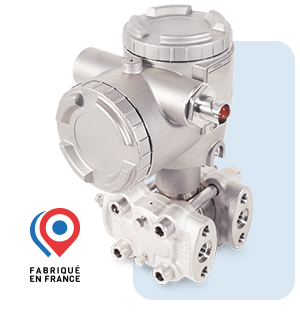
Fuji Electric offers a complete range of RCC-E-qualified pressure transmitters , specifically designed to meet the most stringent requirements for safety, reliability, and availability in nuclear facilities.
Designed and manufactured in France, these pressure transmitters are based on:
The product line covers various types of pressure measurement (relative, absolute, differential) and is integrated intomeasurement and safety functions, offering long-term reliability tailored to the long lifespans of nuclear facilities.

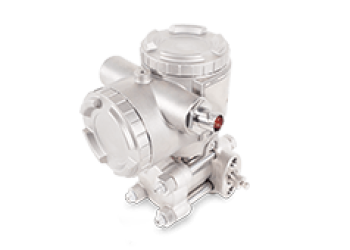
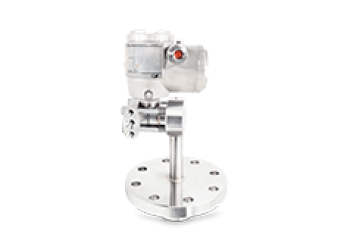
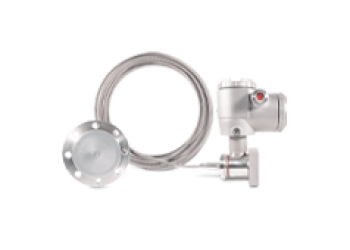
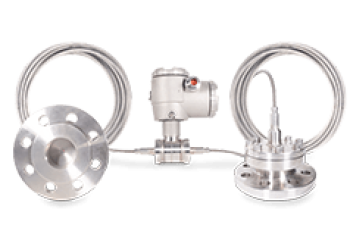

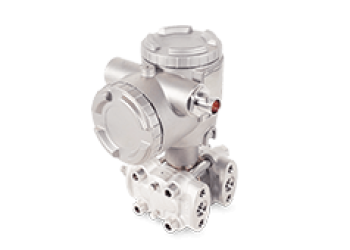

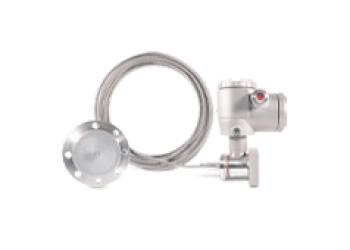

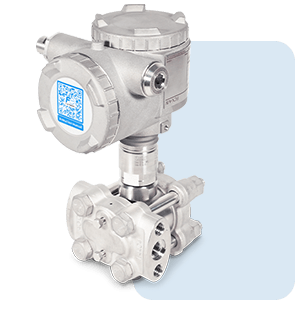
The FKR gauge pressure sensor – nuclear version strengthens Fuji Electric's nuclear range by meeting the needs of highly critical and high-pressure applications.
This pressure transmitter out in particular for:
Designed to ensure the safety and availability of nuclear facilities, the FKR pressure transmitter is fully in line with Fuji Electric's approach to securing critical processes over the long term.
 Flyer
FlyerDownload the flyer and discover high-pressure measurement in the nuclear industry!

Safety

Reliability

Performance
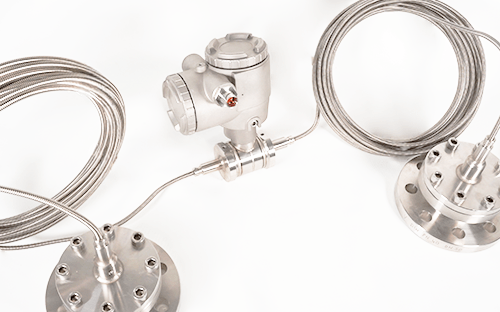
RCC-E-certified Pressure transmitter — Fuji Electric’s 6 guarantees:
Fuji Electric, a French manufacturer certified to ISO 19443, designs and manufactures RCC-E-qualifiedpressure transmitters in France for nuclear power plants (NPPs). Each sensor is designed to ensure reliable safety performance throughout the entire service life of your nuclear facility.
Aqualifiedpressure transmitter used in a safety-critical application must offer much more than just reliable measurement. It must be part of a comprehensive safety strategy, ensure consistent performance overa 60-year lifecycle, and meet the specific requirements of critical industrial environments—such as the reactor building, primary systems, and containment building.
Fuji Electric’s teams assist manufacturers in selecting and installingRCC-E-qualifiedpressure transmitters , manufactured in France, to ensure reliable and long-term availability of nuclear facilities.

Sylvain GRAVEROT
Nuclear qualification/certification engineer and safety expert