






In heat treatment processes, precise hydrogen measurement is a critical factor. Heat treatment furnaces used in metallurgy for annealing, quenching, or brazing operate with gas mixtures composed primarily of hydrogen (H₂) and nitrogen (N₂).
In this demanding environment, a tailored analytics solution is essential to ensure quality, safety, and regulatory compliance.
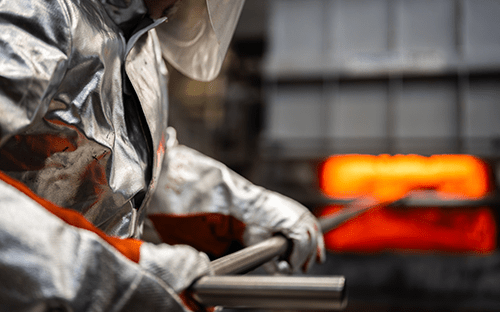
The use of hydrogen in heat treatment furnaces is strictly regulated by European and international standards designed to prevent the risk of explosion and protect operators.
For example, the NF EN 746-3 standard for industrial thermal equipment sets forth specific requirements regarding the use of combustible gases, including hydrogen. In particular, it defines:
These requirements ensure that hydrogen is introduced into the furnace in accordance with strictly controlled, documented, and verifiable procedures.
They also require the operator to ensure the traceability of concentrations, the calibration of measuring instruments, and staff training in order to maintain a level of safety that complies with regulatory requirements.
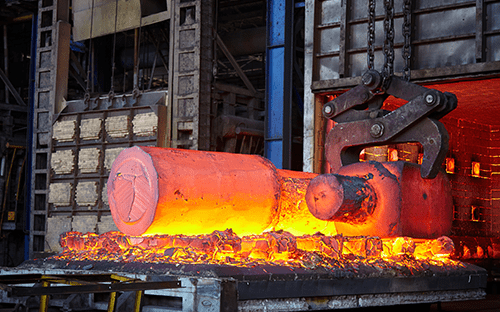
Measuring hydrogen levels in a heat treatment furnace involves operating in a particularly harsh environment, with temperatures that can exceed 1000 °C, a dust-laden atmosphere, and significant pressure fluctuations. These conditions make any direct measurement method difficult to maintain over the long term due to the thermal and mechanical stresses placed on the sensors.
In addition to these constraints, there are dynamic changes in concentration throughout the thermal cycle. For example, a cycle may start at 100% H₂ and then be gradually diluted down to 10%, with nitrogen contributing to the stability and safety of the process. The instrumentation must therefore track these transitions accurately, without drift or excessive response time.
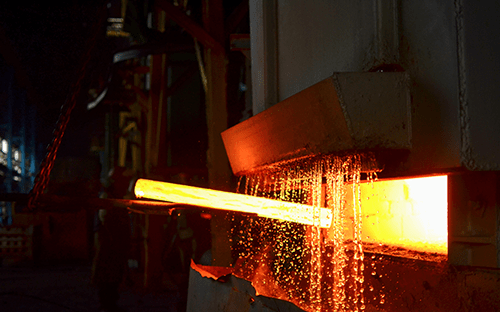
Finally, the reliability of the measurement depends on the ability to take a sample that is strictly representative of the furnace atmosphere, without condensation or changes in composition.
Sample collection and conditioning ensure that the gas being analyzed meets theanalyser operating limits, thereby guaranteeing an accurate, stable, and truly representative measurement of the hydrogen concentration in the furnace.
Mastering this sampling process is therefore a critical step and naturally leads to the preference for an extractive measurement method, such as the cold dry method, which is specifically tailored to the process’s constraints.

To address these challenges, Fuji Electric employs a structured approach that begins with a preliminary process analysis and proceeds to the integration of a comprehensive gas analysis solution tailored to the furnace.
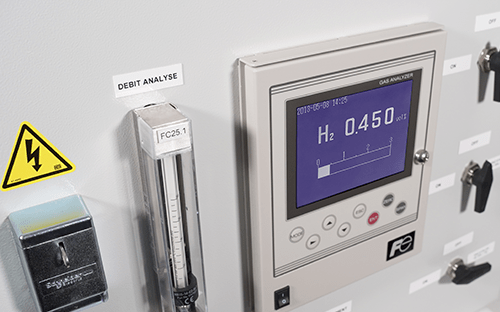
Each project begins with a thorough analysis of the process parameters: gas matrix composition, hydrogen concentration ranges, thermodynamic conditions (temperature, pressure), and installation constraints.
This engineering phase allows us to design the sampling chain, select materials compatible with the high-temperature environment, and define the conditioning procedures that ensure metrological representativeness.
The goal is to design an optimized measurement architecture that ensures stability, repeatability, and robustness throughout the entire thermal cycle.
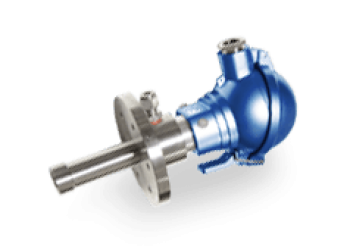
The analytical solution is based on a high-temperature probe capable of withstanding temperatures up to 1,300 °C and ensuring reliable sampling at the heart of the furnace. It incorporates a heated filter and a back-blow system (air or inert gas) for highly dusty environments.
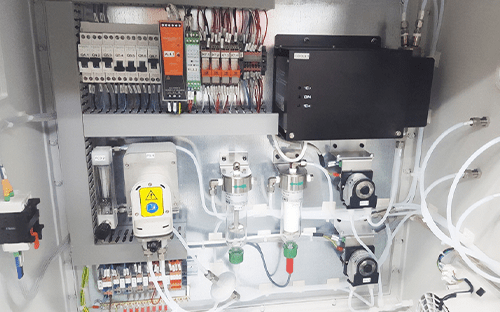
The sampled gas is then processed by a cold-dry conditioning system that includes fine filtration, drying, and flow control. This step ensures that the sample strictly complies with theanalyser operating limitsanalyser retains a composition representative of the actual furnace atmosphere.
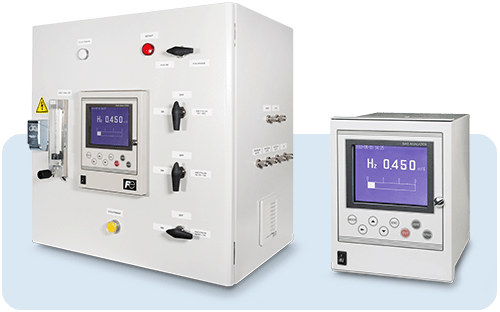
The analysis is performed using a ZAF - thermal analyser , the industry-standard technology for hydrogen measurement, offering an accuracy of ±1% and excellent repeatability—essential for reliably monitoring concentration changes throughout the process.
Thus, thanks to custom engineering combined with high-performance instruments, the Fuji Electric solution ensures reliable, continuous hydrogen measurement that is perfectly suited to the harsh conditions of industrial heat treatment furnaces.

When you choose Fuji Electric’s solution for hydrogen measurement in heat treatment furnaces, you benefit from:

Designed and tested by our technical teams

Assembled in Clermont-Ferrand

commissioning by our technical teams

Stable and repeatable measurement

continuous gas monitoring

 Application
Download your application sheet and discover the solution for measuring hydrogen in heat treatment processes!